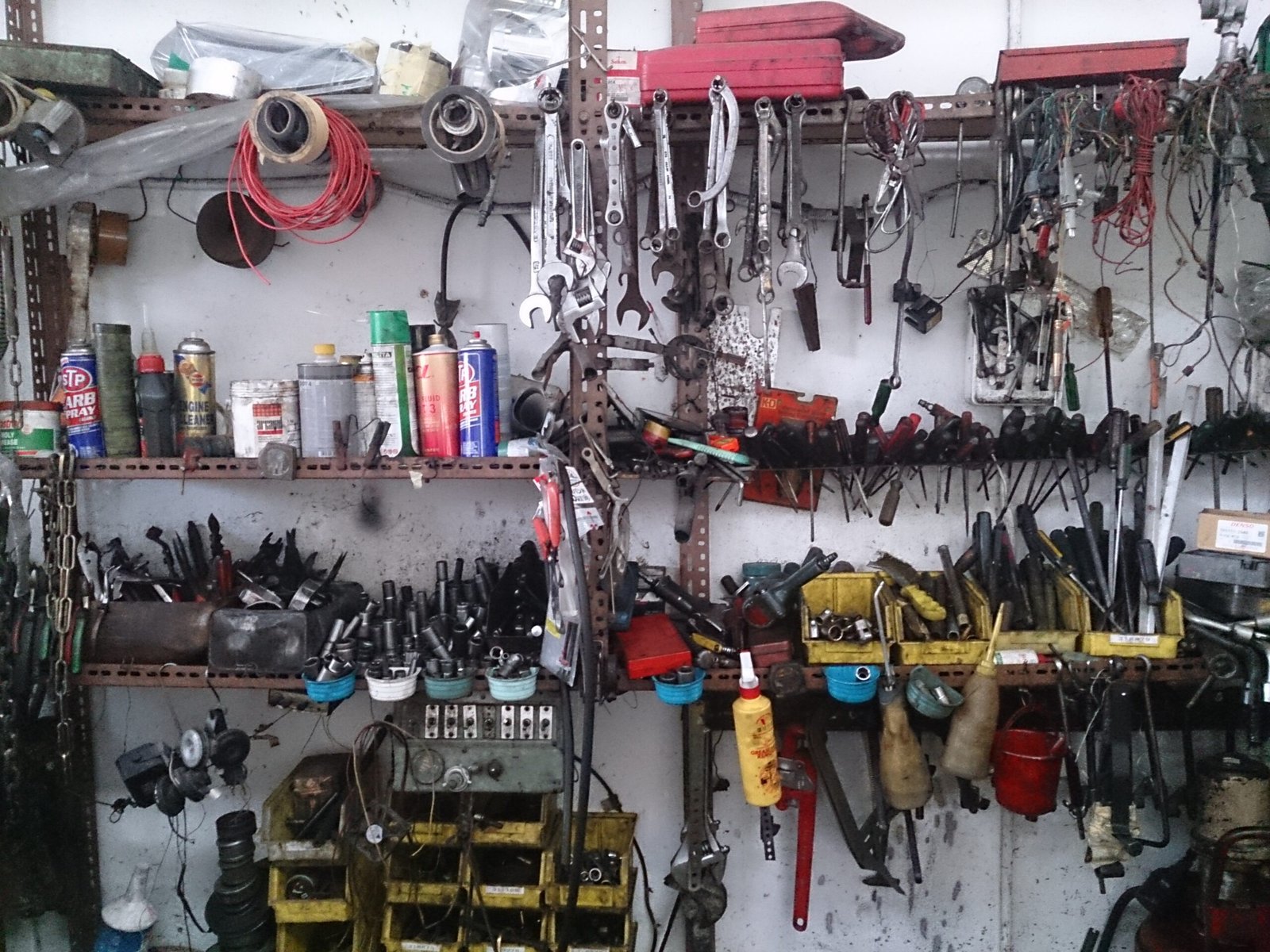
Verschlimmbessern meaning — the German verb for making something worse in the very act of trying to make it better.
German | verschlimmbessern
IPA: /fɛɐ̯ˈʃlɪmˌbɛsɐn/
Literal translation: “to worse-better” — a verb built on its own internal contradiction
Etymology
Verschlimmbessern is a German compound verb — one of that language’s celebrated formations where multiple concepts are fused into a single, precise word. It combines three elements: the prefix ver- (indicating a completed or often negative process), schlimm (bad, worse), and besser (better), with the infinitive suffix -n. The result, literally, is “to-worse-better” — a verb constructed on an internal contradiction that is its entire point. The word names a failure mode that emerges not from carelessness but from the excess of good intentions.
The word belongs to a long tradition of German verbs using the ver- prefix to indicate that an action has gone wrong or been taken to an unproductive extreme. Related constructions include versalzen (to over-salt food until it is ruined) and verlaufen (to get lost while walking — the journey consumed itself). In each case, the prefix transforms an ordinary action into something that has overshot its target. Verschlimmbessern follows this pattern precisely: the intention was improvement, but the word’s own architecture already knows that the result will be worse.
Though the exact first recorded use is difficult to date with precision, the word appears in 19th-century German texts and reflects a cultural awareness — particularly acute in a society renowned for engineering precision — that the drive to improve can become its own hazard. It is fully conjugatable in modern German: ich verschlimmbessere (I make it worse), er verschlimmbessert (he makes it worse), confirming that yes, this is a thing people do regularly enough to deserve its own verb.
Cultural Context
Germany has a cultural reputation for thoroughness — Gründlichkeit — and an engineering tradition that prizes precision, iteration, and continuous improvement. This same culture gave the world the concept of Qualität as a moral virtue and produced the philosophy of kaizen-like continuous refinement. It is precisely because the drive to improve is so deeply embedded in German character that the culture needed a word for when it catastrophically misfires. Verschlimmbessern names a failure mode born not from laziness or malice, but from the excess of a virtue.
The concept resonates far beyond engineering. Think of the manuscript edited so many times its original voice disappears. The recipe “improved” with one extra ingredient that unbalances everything else. The software patch that introduces three new bugs while fixing one. The well-meaning friend who “helps” rearrange your apartment until you can no longer find anything. The manager who streamlines a process until it no longer works. In each case, the actor was motivated by genuine desire to make things better — and produced something demonstrably worse. The word carries a note of rueful comedy: you can hear the sigh built into it.
In contemporary German corporate and political discourse, verschlimmbessern is frequently invoked when reform efforts produce unintended consequences. A policy intended to reduce bureaucracy generates new forms. A design revision removes the feature users loved most. A regulation meant to simplify compliance creates a new layer of it. The word has migrated into informal English usage among linguists and language enthusiasts, who reach for it with relief — finally, a word for this exact thing — and then have to explain it, which is precisely why it fascinates.
How It’s Used Today
Verschlimmbessern appears in everyday conversation, comedy, and media criticism across the German-speaking world. It has become especially popular on social media where users deploy it to describe software updates, product redesigns, and political reforms that missed their mark. The word’s compressed irony makes it satisfying to use — and its precision makes it quotable.
„Ich wollte nur helfen, aber ich habe es nur verschlimmbessert.”
“I only wanted to help, but I just made it worse.”
Why English Has No Equivalent
“Botch” implies carelessness. “Bungle” suggests incompetence. “Meddle” lacks the improvement intent. “Overcorrect” describes a response to an error, not an original well-meaning intervention. To express what verschlimmbessern captures in a single word, an English speaker must use an entire clause: “to make something worse by trying to make it better.” Six words of explanation versus one German verb that already knows, from its own grammatical structure, exactly what happened and why.
Related Words
If verschlimmbessern resonates, explore the wider landscape of German words for the gap between intention and outcome. Weltschmerz names the pain of watching the world fail to meet your ideals — a cousin feeling to watching your improvements make things worse. Schadenfreude captures the guilty pleasure of watching someone else’s verschlimmbessern unfold in real time. Torschlusspanik, the gate-closing panic of missed opportunity, can drive the hasty interventions that lead to verschlimmbessern in the first place. The Japanese concept of kaizen — slow, careful, incremental improvement — represents everything verschlimmbessern is not: patience over impatience, restraint over intervention. And Fingerspitzengefühl, the German word for the delicate sensitivity needed to handle situations exactly right, is the quality whose absence makes verschlimmbessern so common.
Further Reading
- Etymology of “botch” — Online Etymology Dictionary — traces English’s closest approximation to verschlimmbessern and reveals precisely how it falls short of the German concept
- Verschlimmbessern — Digitales Wörterbuch der deutschen Sprache (DWDS) — Germany’s authoritative digital dictionary, with historical usage examples and linguistic context