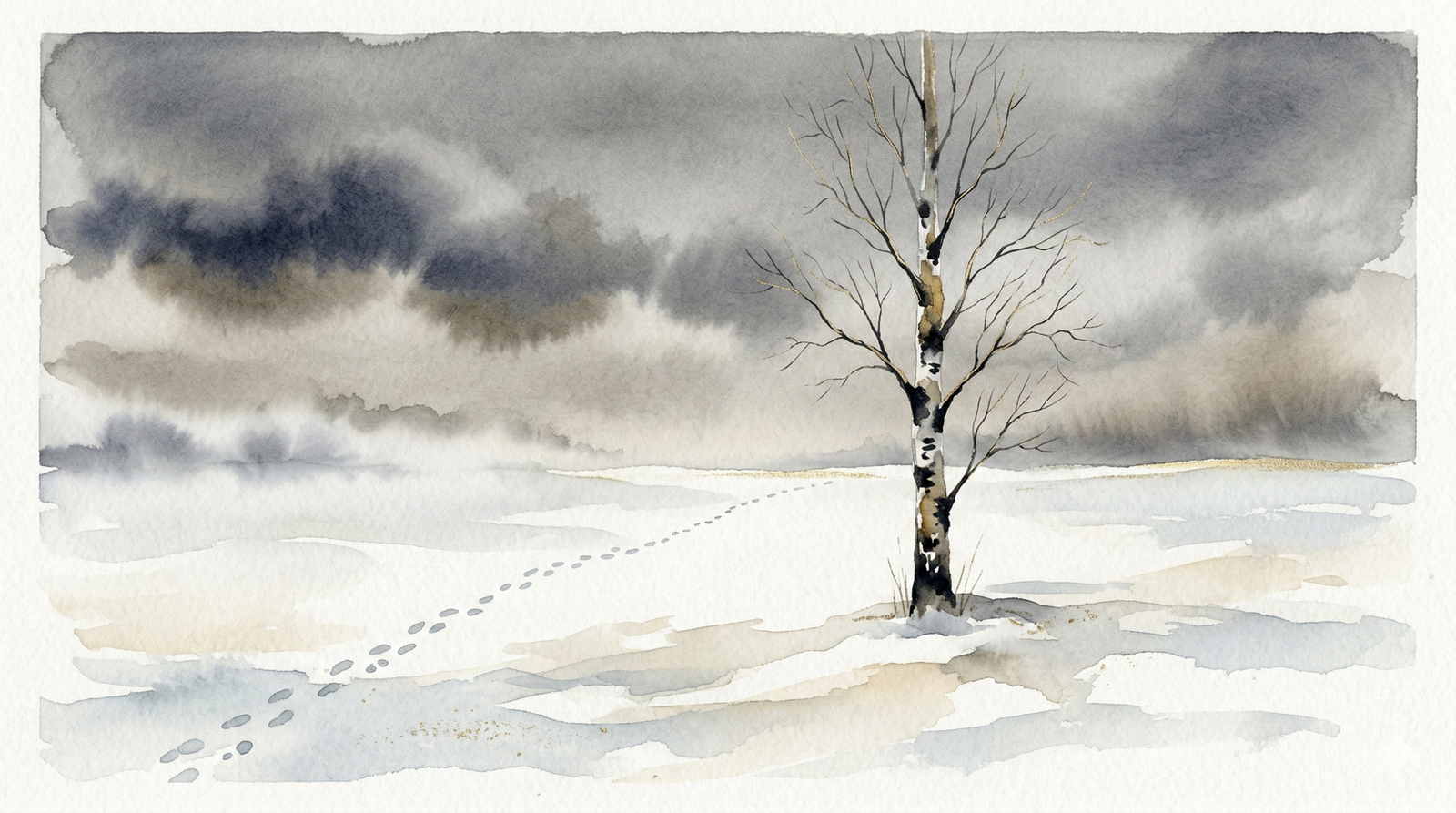
The toska meaning describes one of the most profound and untranslatable emotions in the Russian language — a deep spiritual anguish without a specific cause, a sensation of great longing with nothing to long for. The toska meaning goes far beyond simple sadness or melancholy; it encompasses an existential restlessness, a gnawing ache of the soul that Russian speakers consider fundamental to the human experience. Vladimir Nabokov himself declared that no single English word could capture the full toska meaning.
What Does Toska Mean? 4 Layers of Russian Soul-Ache
The toska meaning has ancient Slavic roots that reveal its depth. The word derives from the Proto-Slavic *tъska, related to concepts of tightness, oppression, and spiritual constriction. In Old Russian, тоска (toska) carried associations with both physical chest pain and emotional suffering — the body and soul united in distress. This dual meaning persists today: the toska meaning can describe anything from mild wistful sadness to the most devastating existential despair. Vladimir Nabokov famously explained that at its deepest, the toska meaning is “a dull ache of the soul, a longing with nothing to long for” — a spiritual void that cannot be filled by any earthly remedy.
Toska occupies a sacred place in Russian cultural identity, intertwined with the concept of the russkaya dusha (Russian soul). Russian literature is saturated with toska — from Chekhov’s melancholic characters to Dostoevsky’s tortured souls, the emotion drives some of the greatest works in world literature. In Russian music, toska finds its voice through the haunting melodies of folk songs and the emotional depth of composers like Tchaikovsky and Rachmaninoff. The concept reflects a cultural belief that deep emotional suffering is not something to be avoided but rather an essential part of what makes us human. Understanding the toska meaning helps explain why Russian art often embraces darkness and complexity rather than simple resolution — it is a culture that finds profound beauty in acknowledging life’s inherent sadness.
Toska shares emotional territory with other untranslatable words about longing and melancholy. The Portuguese saudade captures a bittersweet longing for something absent, while the Welsh hiraeth describes a deep homesickness for a home that may no longer exist. The Romanian dor expresses an aching desire for someone or something loved, and the German fernweh channels longing outward toward distant places. For more on Russian linguistic concepts, see Wikipedia’s exploration of toska.
The toska meaning resonates with anyone who has ever felt an inexplicable heaviness of spirit — a sadness that seems to come from nowhere and everywhere at once. In our age of constant distraction, the toska meaning offers a surprisingly relevant framework for understanding the quiet desperation that many people experience. The toska meaning validates the feeling that something essential is missing, even when life appears to be going well — and in naming this emotion, Russian gives the world permission to acknowledge one of the most universal yet least discussed aspects of human experience.
Russian
TOHS-kah
“A deep spiritual anguish without a specific cause — a sensation of great longing with nothing to long for”
Literal Translation
No direct translation; closest English approximations include “anguish,” “longing,” or “melancholy,” but none capture its full depth
Cultural Context
Vladimir Nabokov famously wrote that no single English word captures the full meaning of toska. In Russian culture, toska occupies a central place in the national psyche — it’s considered a distinctly Russian emotion that reflects the vast, often harsh landscape and the depth of the Russian soul (dusha). The word appears throughout Russian literature, from Chekhov’s plays to Dostoevsky’s novels, always carrying the weight of an existential restlessness that goes beyond simple sadness.
When Would You Use It?
You might feel toska on a long winter evening when the world seems too quiet, when you sense something is missing from your life but can’t name what it is. It’s the ache of the human condition itself — not triggered by a specific loss, but by an awareness of life’s fundamental incompleteness.
Related Words
Saudade (Portuguese), Hiraeth (Welsh), Sehnsucht (German)
Want to Learn Russian?
Discover more beautiful Russian words and phrases. Start your language journey today.
📬 Get a Beautiful Untranslatable Word in Your Inbox Every Week
Join fellow word lovers and discover words that English forgot.