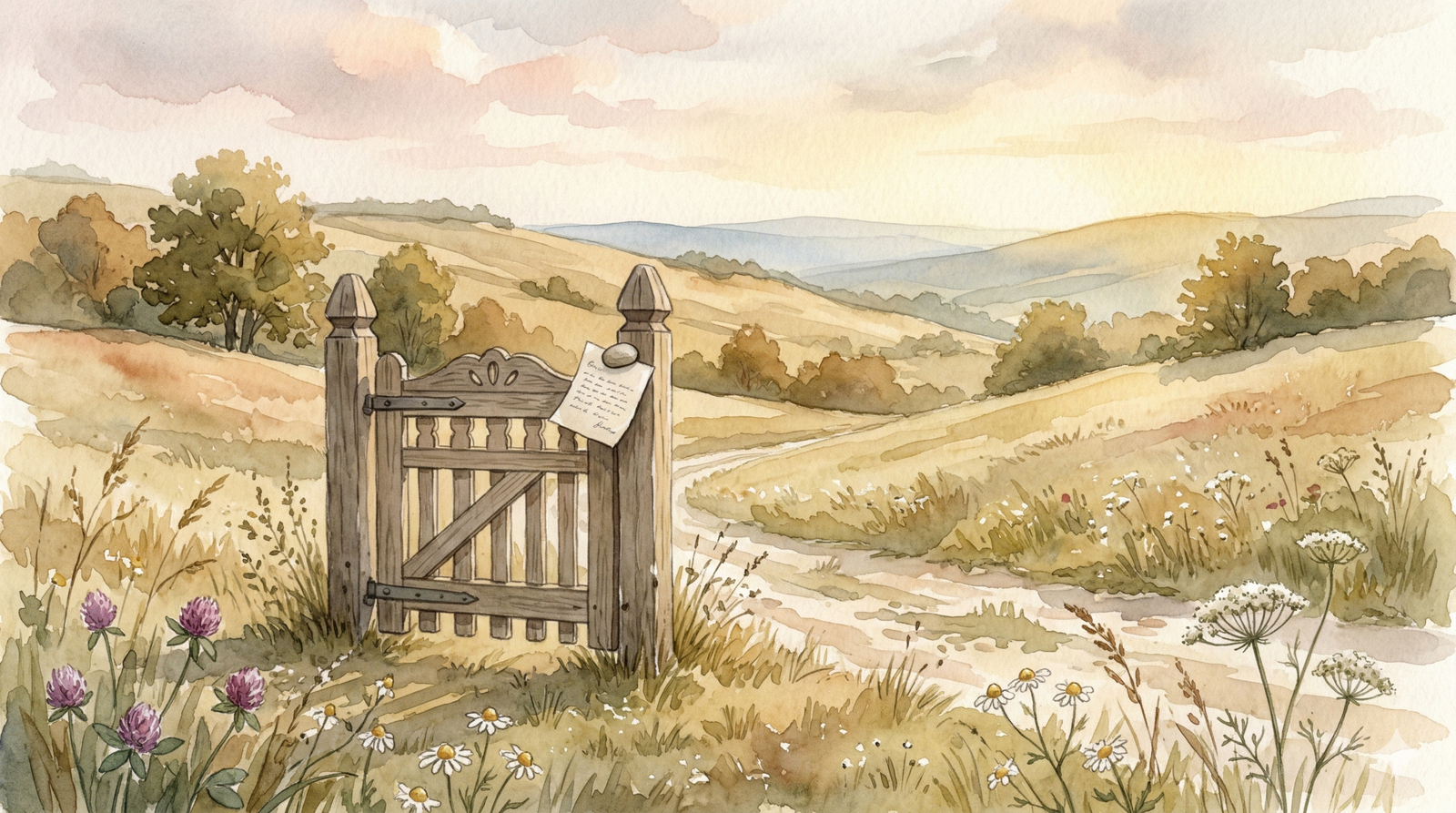
The dor meaning captures the most tender and painful emotion in the Romanian language — a deep, aching longing for someone you love, a yearning so intense it becomes almost physical. The dor meaning goes beyond mere missing; it describes a love-laden grief that fills the chest and colors every waking moment. In Romanian culture, dor is not a weakness but a testament to the depth of one’s capacity to love. Understanding the dor meaning reveals why Romanians consider this word the very heartbeat of their emotional vocabulary — it is the sound the soul makes when it reaches across distance for someone who isn’t there.
What Does Dor Mean? 4 Dimensions of Romanian Longing
The dor meaning traces its roots to the Latin dolor (pain, grief), but Romanian transformed this word into something far more nuanced than simple suffering. While the Latin root emphasizes pain, the Romanian dor meaning evolved to encompass love, desire, and tender yearning alongside the ache. The word is remarkably versatile: mi-e dor de tine (I have dor for you) is perhaps the most emotionally charged phrase in Romanian, more powerful than “I miss you” because the dor meaning implies that the missing has become a fundamental state of being rather than a passing feeling. Related forms include dorință (wish, desire) and a dori (to wish, to desire), but the simple noun dor carries the deepest emotional weight — it is longing distilled to its purest, most devastating form.
Dor is the emotional foundation of Romanian folk music, poetry, and cultural identity. The haunting melodies of Romanian doina — traditional folk songs — are essentially musical expressions of dor, their minor keys and ornamented vocals giving voice to centuries of longing. The great Romanian poet Mihai Eminescu made dor the central theme of his work, and the word appears in virtually every Romanian love song ever written. Historically, dor gained particular intensity during periods of mass Romanian emigration, when millions left their homeland seeking better lives while carrying the weight of dor for family, landscape, and culture left behind. Even today, with the Romanian diaspora spanning millions across Europe and beyond, dor remains the word that connects Romanians to their roots — a shared emotional language that transcends geography.
Dor shares emotional kinship with other untranslatable words about longing and love. The Portuguese saudade captures a similar bittersweet yearning, while the Welsh hiraeth channels longing toward a lost homeland. The Russian toska describes a deeper existential anguish, and the German fernweh directs longing toward distant places rather than distant people. For more on Romanian linguistic heritage, see Wikipedia’s exploration of the Romanian concept of dor.
The dor meaning speaks to anyone who has loved deeply enough to ache in someone’s absence. In our era of instant communication, where a text or video call can bridge any distance in seconds, the dor meaning reminds us that proximity is not the same as presence — that the heart can miss someone profoundly even when technology keeps them close. The dor meaning honors the truth that love and longing are inseparable companions, and that the capacity to feel dor is itself a gift — proof that we have loved with enough depth to leave a permanent imprint on our souls.
Romanian
DOHR
“A deep, aching longing for someone you love — a yearning so intense it becomes almost physical”
Literal Translation
Descended from the Latin “dolus” (pain/grief). Often translated simply as “longing” or “missing someone,” but these translations miss its visceral intensity
Cultural Context
Dor is considered the soul of Romanian emotional expression. It’s the most frequently used word in Romanian poetry and folk music (known as “doina”). Romanian culture treats dor not as a weakness but as a testament to the depth of one’s capacity for love. The word carries within it the Romanian landscape — the vast Carpathian mountains separating lovers, the long winters of waiting, the distance between villages. Throughout Romania’s history of wars, emigration, and political upheaval, dor became the thread connecting people across distance and time. There’s even a saying: “Dor is what makes a Romanian a Romanian.”
When Would You Use It?
When someone you love is far away and you feel their absence like a physical weight in your chest — that’s dor. It’s not just missing them; it’s an ache that permeates everything, coloring your days with a bittersweet awareness of the distance between you. Parents feel dor for children who’ve moved abroad. Lovers separated by circumstance carry dor like a second heartbeat.
Related Words
Saudade (Portuguese), Hiraeth (Welsh), Toska (Russian), Sehnsucht (German)
Want to Learn Romanian?
Discover more beautiful Romanian words and phrases. Start your language journey today.
📬 Get a Beautiful Untranslatable Word in Your Inbox Every Week
Join fellow word lovers and discover words that English forgot.