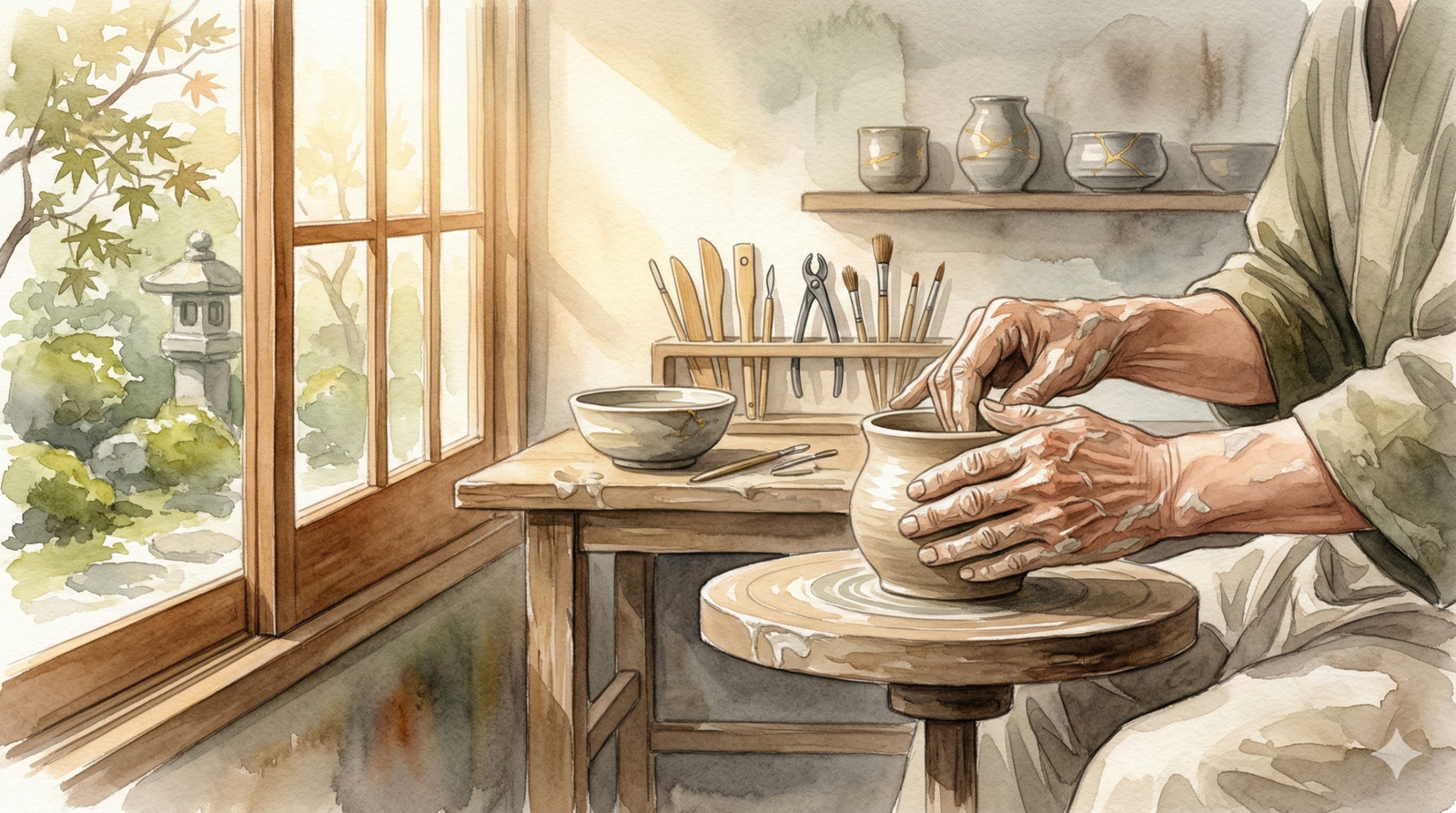
The ikigai meaning goes far deeper than any simple English translation can capture. Often described as “a reason for being,” the ikigai meaning encompasses the Japanese belief that everyone has a unique purpose that brings joy, fulfillment, and motivation to wake up each morning. This powerful untranslatable word has fascinated people worldwide, inspiring 3 bestselling books and a global movement toward more purposeful living.
What Does Ikigai Mean? 4 Pillars of This Japanese Life Philosophy
The word ikigai is composed of two Japanese terms: iki (生き), meaning “life” or “alive,” and gai (甲斐), meaning “worth” or “benefit.” Together, the ikigai meaning literally translates to “life worth” — the thing that makes your life worth living. Unlike Western concepts of purpose that often focus on career achievement, the Japanese understanding of ikigai meaning is deeply personal and can be found in the smallest daily pleasures: a morning cup of tea, tending a garden, or sharing a meal with loved ones.
The island of Okinawa, one of the world’s five Blue Zones where people regularly live past 100, is often cited as living proof of ikigai meaning in action. Okinawan elders describe their ikigai as the reason they get up in the morning — whether it’s caring for a great-grandchild, cultivating their vegetable garden, or practicing martial arts. The ikigai meaning here is not about grand ambitions but about the quiet, consistent sense of purpose that sustains a long and meaningful life.
Ikigai shares deep thematic connections with other untranslatable words in our dictionary. The Japanese concept of wabi-sabi complements ikigai by teaching us to find beauty in imperfection along our journey, while komorebi captures the kind of quiet natural beauty that many people describe as part of their ikigai. The Finnish word sisu reflects the inner determination needed to pursue one’s ikigai, and the Danish practice of hygge shares ikigai’s emphasis on finding joy in simple, everyday moments. Learn more about how ikigai influences Japanese work-life philosophy.
Whether you discover your ikigai meaning through creative expression, service to others, connection with nature, or the mastery of a craft, this Japanese philosophy reminds us that purpose is not something we need to chase — it is something we cultivate through attention and presence. The ikigai meaning ultimately teaches that a life well-lived is not measured by achievements alone, but by the depth of engagement and joy we bring to each day.
Japanese (生き甲斐) · Philosophy & Mindfulness
Pronunciation: ee-kee-GUY
“A reason for being — the intersection of what you love, what you are good at, what the world needs, and what you can be paid for.”
What Does Ikigai Mean?
Ikigai (生き甲斐) is a Japanese concept that translates roughly as “a reason for being.” It refers to the source of value or joy that makes life worthwhile — the thing that gets you out of bed each morning with purpose and enthusiasm.
The word combines iki (生き), meaning life or living, with gai (甲斐), meaning worth, value, or benefit. Together, they form a concept far richer than any single English word can capture — encompassing purpose, passion, fulfillment, and the deep satisfaction of a life well-lived.
The Four Circles of Ikigai
In Western interpretations, ikigai is often visualized as the intersection of four overlapping circles: what you love (passion), what you are good at (vocation), what the world needs (mission), and what you can be paid for (profession). Where all four overlap, you find your ikigai.
However, in traditional Japanese culture, ikigai is not necessarily connected to income or grand ambitions. It can be as simple as tending a garden, preparing a meal for loved ones, or watching the sunrise. The Japanese believe that everyone has an ikigai — it may just take deep reflection and patience to discover it.
Ikigai and Longevity
The concept of ikigai gained worldwide attention through research on Okinawa, Japan — home to one of the world’s highest concentrations of centenarians. Studies found that having a strong sense of ikigai was consistently linked to longer, healthier, and more fulfilling lives.
The centenarians of Okinawa don’t retire in the Western sense. They continue to contribute to their communities, pursue their passions, and find purpose in daily rituals well into their 90s and 100s. Their ikigai gives them a reason to keep living — not just existing, but truly living.
Finding Your Ikigai
Unlike Western goal-setting, finding your ikigai is not a linear process. It requires patience, self-reflection, and a willingness to listen to your inner voice. The Japanese approach emphasizes starting small — finding joy in the everyday moments rather than waiting for a grand revelation.
Ask yourself: What activities make you lose track of time? What would you do even if no one paid you? What do people thank you for? Where do your talents meet the needs of others? The answers to these questions begin to sketch the outline of your ikigai.