Gezellig
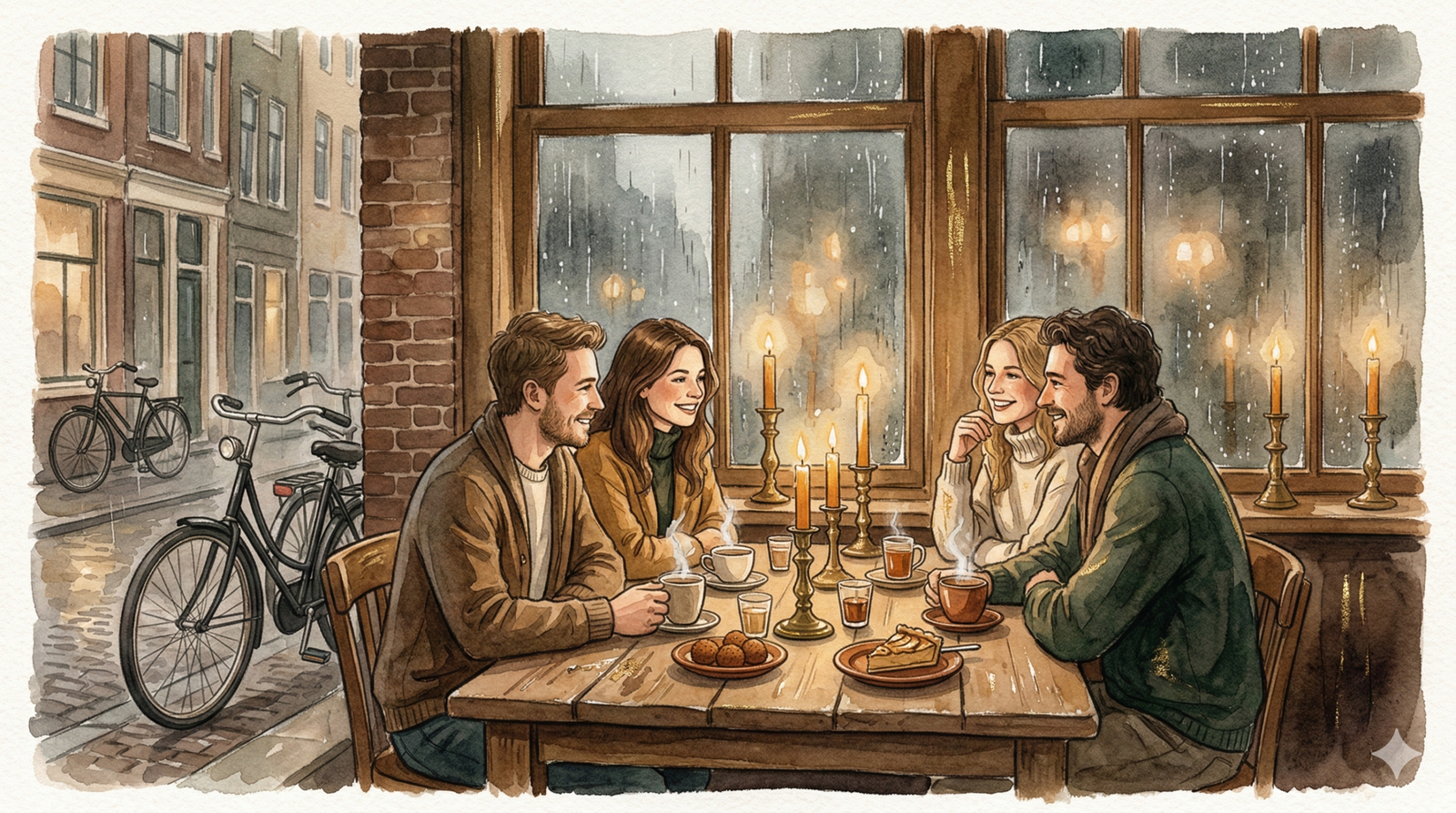
Gezellig is a Dutch word for the warm, convivial feeling of togetherness and belonging. A cornerstone of Dutch culture, it describes the particular warmth that comes from genuine human connection in a comfortable shared space.
Gezellig is a Dutch word for the warm, convivial feeling of togetherness and belonging. A cornerstone of Dutch culture, it describes the particular warmth that comes from genuine human connection in a comfortable shared space.
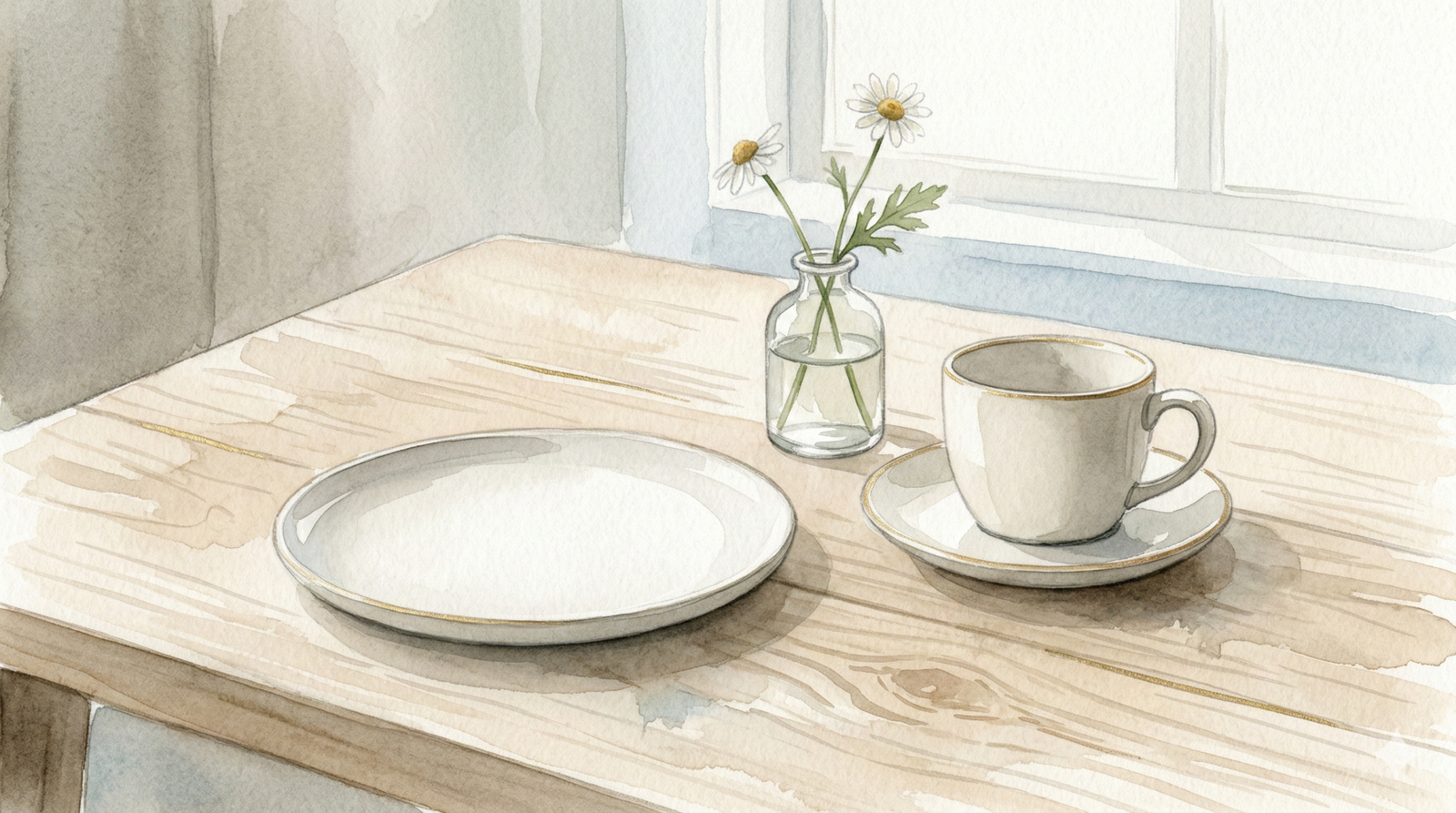
Lagom is a Swedish word meaning “just the right amount.” More than moderation, it is a philosophy of balanced living that shapes Swedish culture — from design to social policy to the perfect cup of coffee.

Tsundoku is a Japanese word for the habit of acquiring books and letting them pile up unread. Far from a failing, it celebrates intellectual curiosity and the endless human hunger for knowledge yet to be discovered.

Schadenfreude is the German word for the pleasure derived from another person’s misfortune. Combining “damage” and “joy,” it names a universally felt but rarely admitted emotion that reveals deep truths about human social nature.

Fernweh is a German word meaning “far-pain” — an intense longing for distant places you have never been. The opposite of homesickness, it describes the ache of staying still when your soul yearns to explore the world.
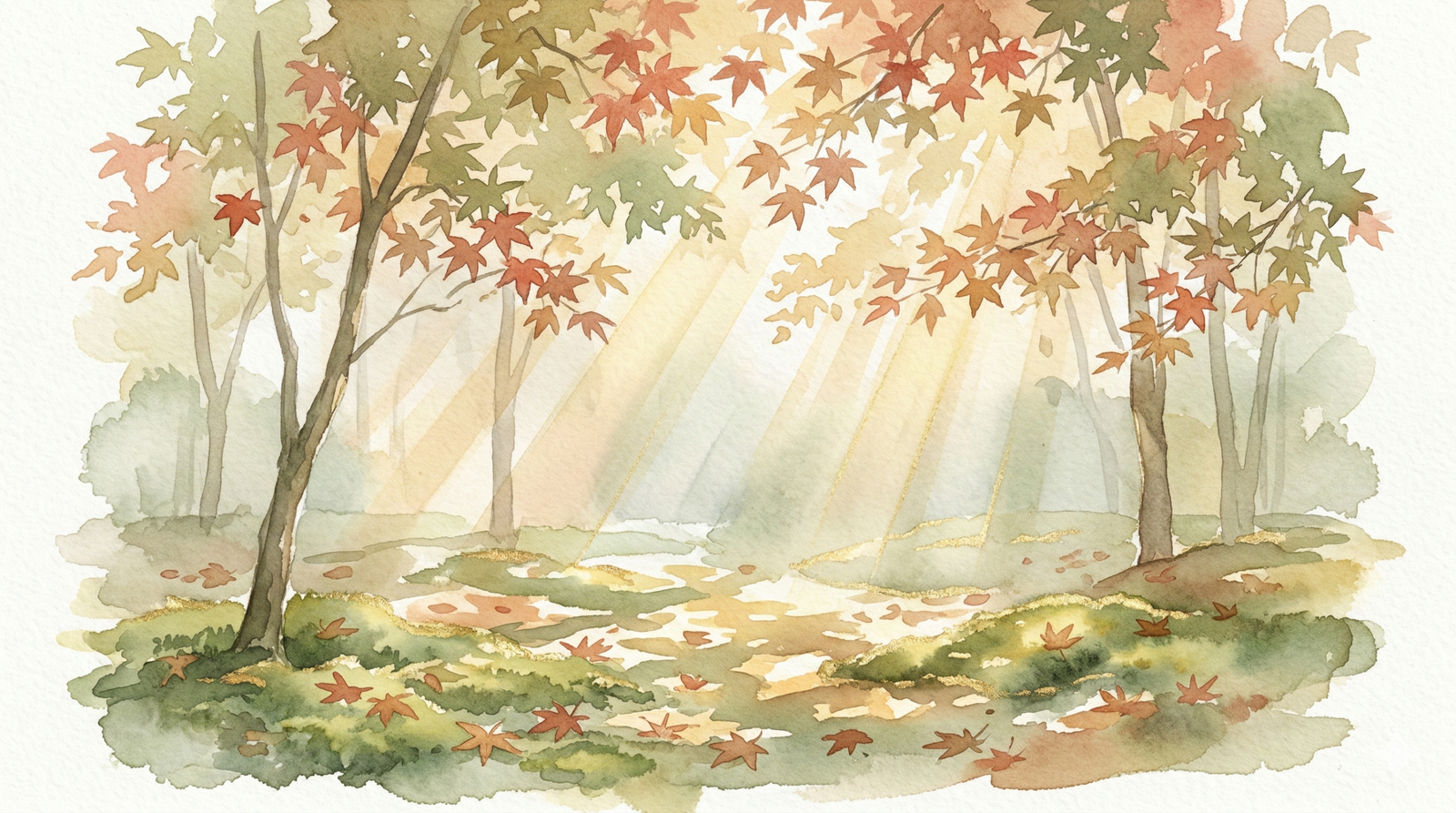
Komorebi is a Japanese word for the interplay of sunlight filtering through leaves, creating dappled patterns of light and shadow on the forest floor. It captures an entire sensory experience of nature’s gentle beauty.
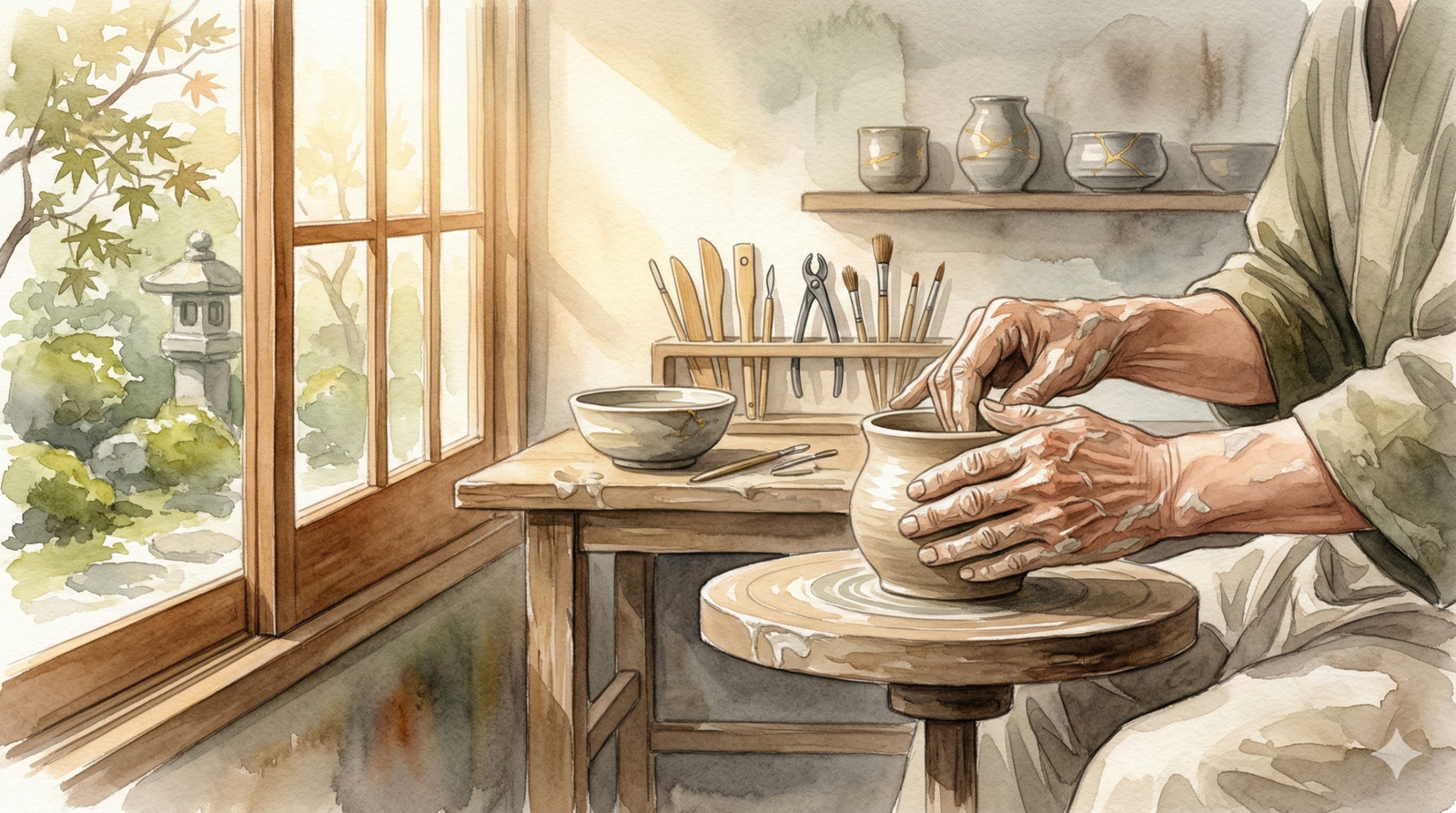
Ikigai is a Japanese concept meaning “a reason for being” — the source of purpose and joy that makes life worthwhile. Connected to longevity in Okinawan culture, it represents the intersection of passion, talent, purpose, and livelihood.
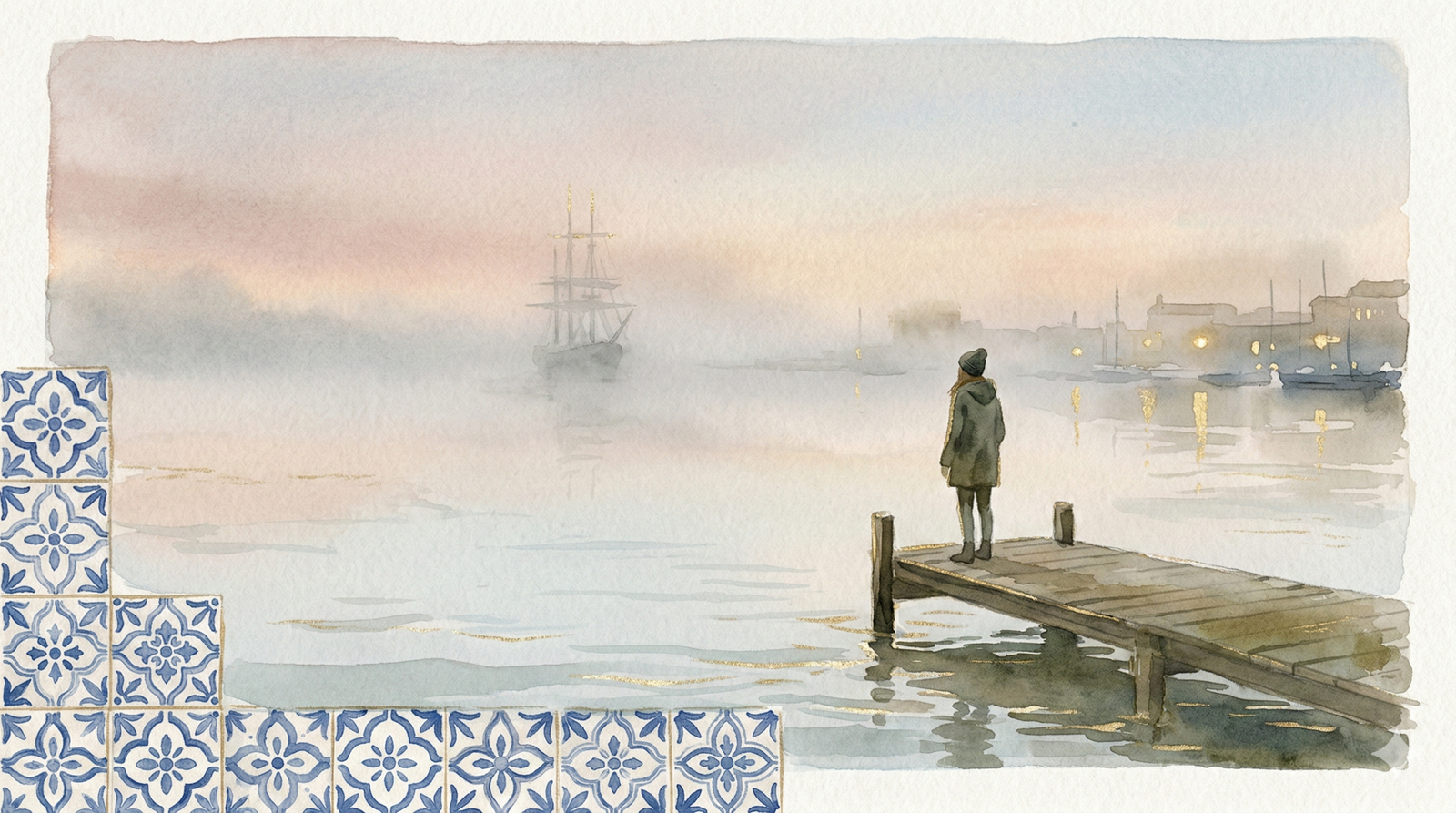
Saudade is a Portuguese word describing a deep, bittersweet longing for something or someone absent. More than nostalgia, it captures the love that remains after loss and the beauty found in yearning itself.
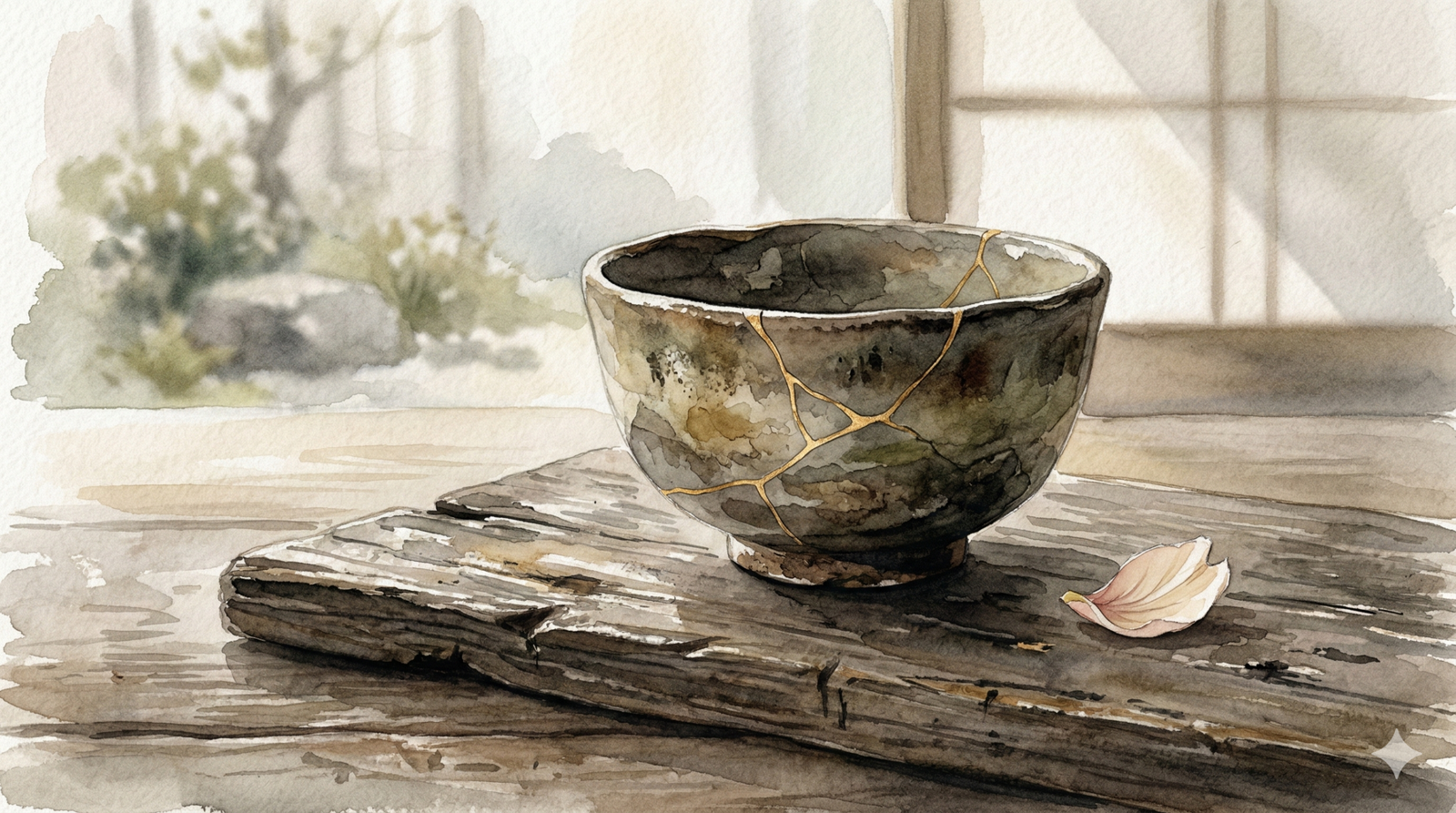
Wabi-sabi is a Japanese aesthetic philosophy that finds beauty in imperfection, impermanence, and incompleteness. Rooted in Zen Buddhism, it teaches us that nothing lasts, nothing is finished, and nothing is perfect — and that is where true beauty lives.
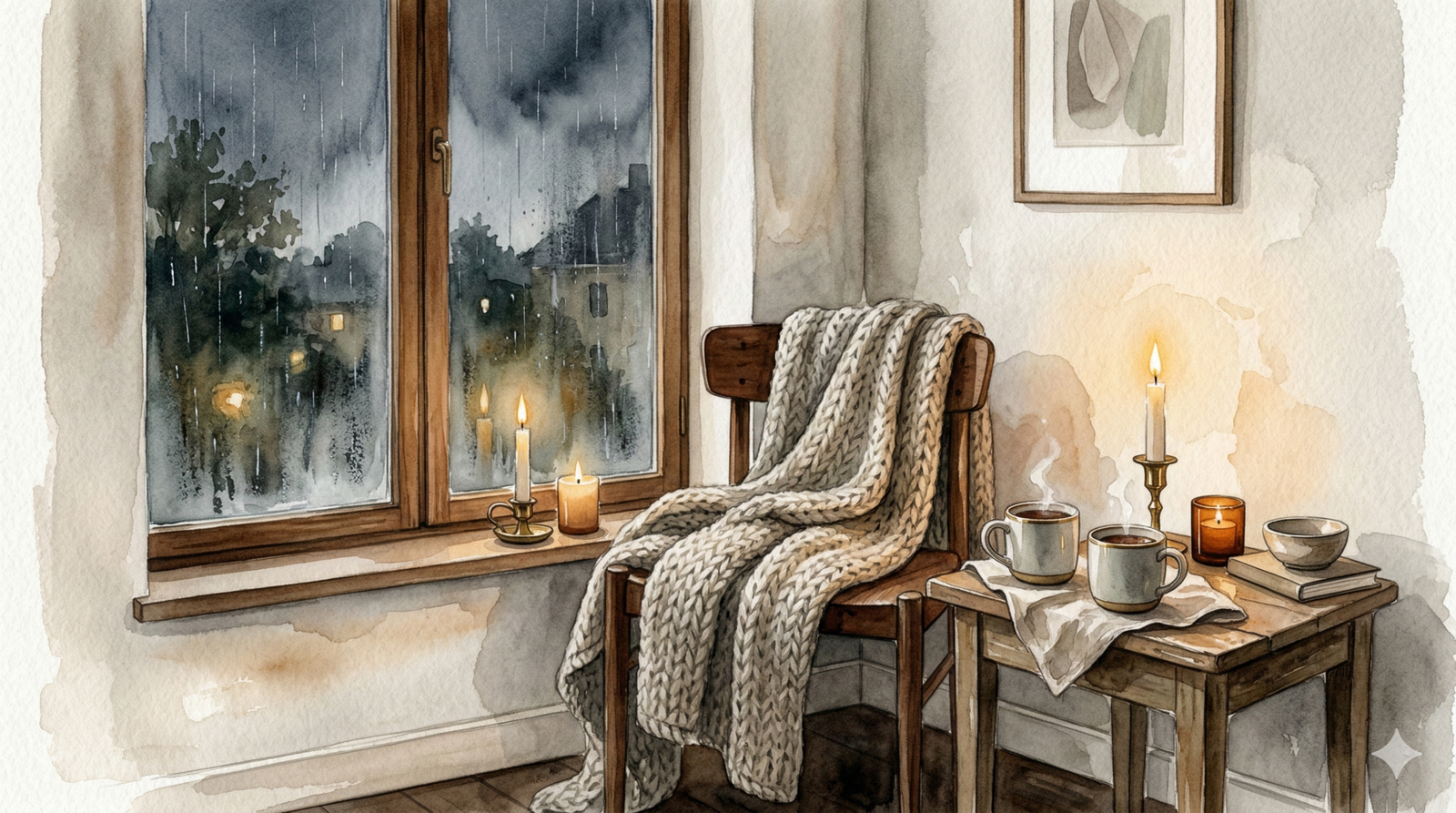
Hygge is the Danish art of coziness and comfortable togetherness. More than just a word, it describes a fundamental way of life that celebrates warmth, candlelight, and the simple joy of being present with loved ones.