Finnish
Talkoot meaning: the Finnish word for voluntary collective work undertaken for the common good — a barn-raising, a clean-up day, a group repair that no one is paid for and everyone shows up to. Below: the etymology of Talkoot, the cultural roots in Finnish farm life, modern urban usage, and why English has no single equivalent.
/ˈtɑlkoːt/ — TAHL-koat
Literal translation: a plural-form noun (singular talkoo, used only in compounds), traceable to an old Finnic stem related to communal labor. The word names both the work itself and the social occasion that surrounds it — the work and the meal at its end are not really separable in the original meaning.
Etymology of Talkoot
Talkoot is the plural form of the otherwise-archaic singular talkoo, which traces to a Proto-Finnic root *talkoo shared with Estonian (talgud), Karelian (tualkua), and other Balto-Finnic languages. The root’s exact pre-Finnic origin is debated, but it is one of the oldest words in the Finnic vocabulary of agricultural cooperation, predating any written record. The word survives almost exclusively in the plural in modern Finnish — you do not have “a talkoo,” you have talkoot, plural — because the word names a collective by grammatical default.
The verb form talkoilla (“to do talkoot”) is also old and still in active use. So is the related noun talkoolainen (“a participant in talkoot”). The cluster of derivations means the word can describe the event, the participant, and the action with the same root, the way English does with build / builder / building. None of these forms have direct English cognates — the conceptual cluster is Finnish-only.
The word is also one of the small linguistic markers of Finnic identity within the Uralic family. Estonian, Karelian, and Finnish all preserve clear cognates; the more distantly-related Hungarian (also Uralic) does not. Linguists have used this pattern to argue that organized collective labor with a dedicated noun for it is at least as old as the Finnic split from the rest of the Uralic family — somewhere in the bronze age.
Cultural Context
For most of Finnish history, talkoot was less a special event than a basic structure of survival. Farm work in Finland has always involved short windows: hay must come in before the August rains, firewood must be cut before the snow, the barn roof must be repaired between seasons. No single farm family could do these jobs alone, and no rural family had the cash to hire labor. Talkoot was the answer. Neighbors gathered, the work was done together in a single day or weekend, and the host family fed everyone afterward. The meal was as much a part of the talkoot as the work, and the social bonds that the meal produced were as much the point as the harvest itself.
This pattern persisted into the twentieth century with surprising tenacity. Even into the 1960s, urbanizing Finnish families would return to the countryside on weekends to participate in their parents’ or grandparents’ talkoot. The post-war housing boom in Helsinki, Tampere, and Turku saw entire apartment buildings built in part by talkoot crews of relatives and friends. The Finnish word for the building society — the cooperative that pooled labor and savings to put up apartment blocks — carries traces of the same idea.
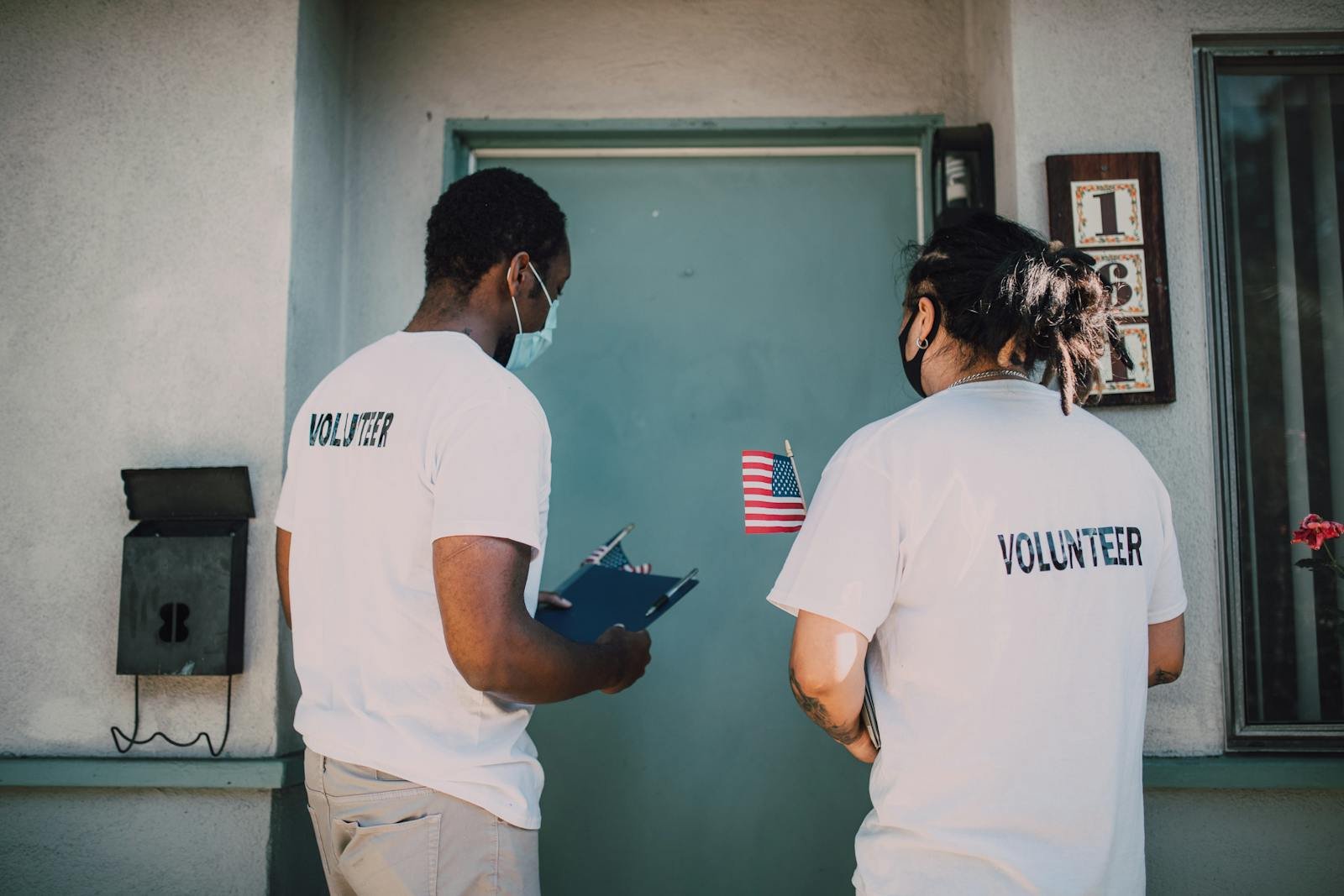
What is striking about Finnish talkoot is that the practice has not just survived urbanization; it has migrated into urban life. Modern Finnish housing cooperatives organize seasonal talkoot for cleaning gardens, painting stairwells, and repairing playground equipment. Finnish sports clubs, scouts’ troops, neighborhood associations, and even tech companies use the word for their volunteer work weekends. The shared meal at the end is still a non-negotiable element. Talkoot without sausage and coffee is a contradiction in terms.
How Talkoot Is Used Today
Talkoot appears in everyday Finnish, in the announcements pinned to apartment-building bulletin boards, in the volunteer-work pages of Finnish nonprofits, in the marketing copy of Finnish cooperative banks, and in the kind of late-evening neighborhood conversation about who is going to clean the sauna before the autumn party. The word also features in international writing about Nordic social trust and civic life, where it usually appears alongside the Norwegian dugnad (its closest non-Finnish equivalent) as evidence that Nordic societies have a particular vocabulary for the small economies of collective action.
Lauantaina pidetään pihatalkoot — tervetuloa kahville ja makkaralle töiden jälkeen.
— “On Saturday we’ll have a yard talkoot — you’re welcome to come for coffee and sausages after the work.”
Why English Has No Equivalent for Talkoot
English reaches for “barn-raising,” “work bee,” “potluck work day,” and “volunteer day.” Each gets at one part of talkoot but none of them holds the whole. “Barn-raising” is the right register but reads as historical; the practice was largely lost in the English-speaking world by the early twentieth century. “Work bee” survives in some regional usage but has the same problem of feeling antique. “Volunteer day” is bureaucratic and misses the shared meal. The reason English has no single word is that the practice itself has thinned out in English-speaking cultures — Finnish has the word because Finland has kept the thing.
Related Words
- For the Finnish word for the deep, stoic perseverance that gets a person through the work of any talkoot, see sisu.
- For the southern African philosophy that grounds collective humanity in mutual recognition — talkoot’s philosophical cousin from another tradition — see ubuntu.
- For the Danish word for cozy collective warmth — the atmosphere a good talkoot creates around its post-work meal — see hygge.
- For the Finnish word for the long-distance ache to be in another place that can sometimes only be cured by participating in a talkoot back home, see kaukokaipuu.
- Browse more from the same vocabulary in our Finnish collection.
Further Reading
- Kielitoimiston sanakirja — talkoot (the official dictionary of the Institute for the Languages of Finland, with grammatical notes and modern usage examples).
- Encyclopædia Britannica — Finland: Cultural life (the broader Finnish civic and cultural context that has kept the talkoot practice alive into the twenty-first century).