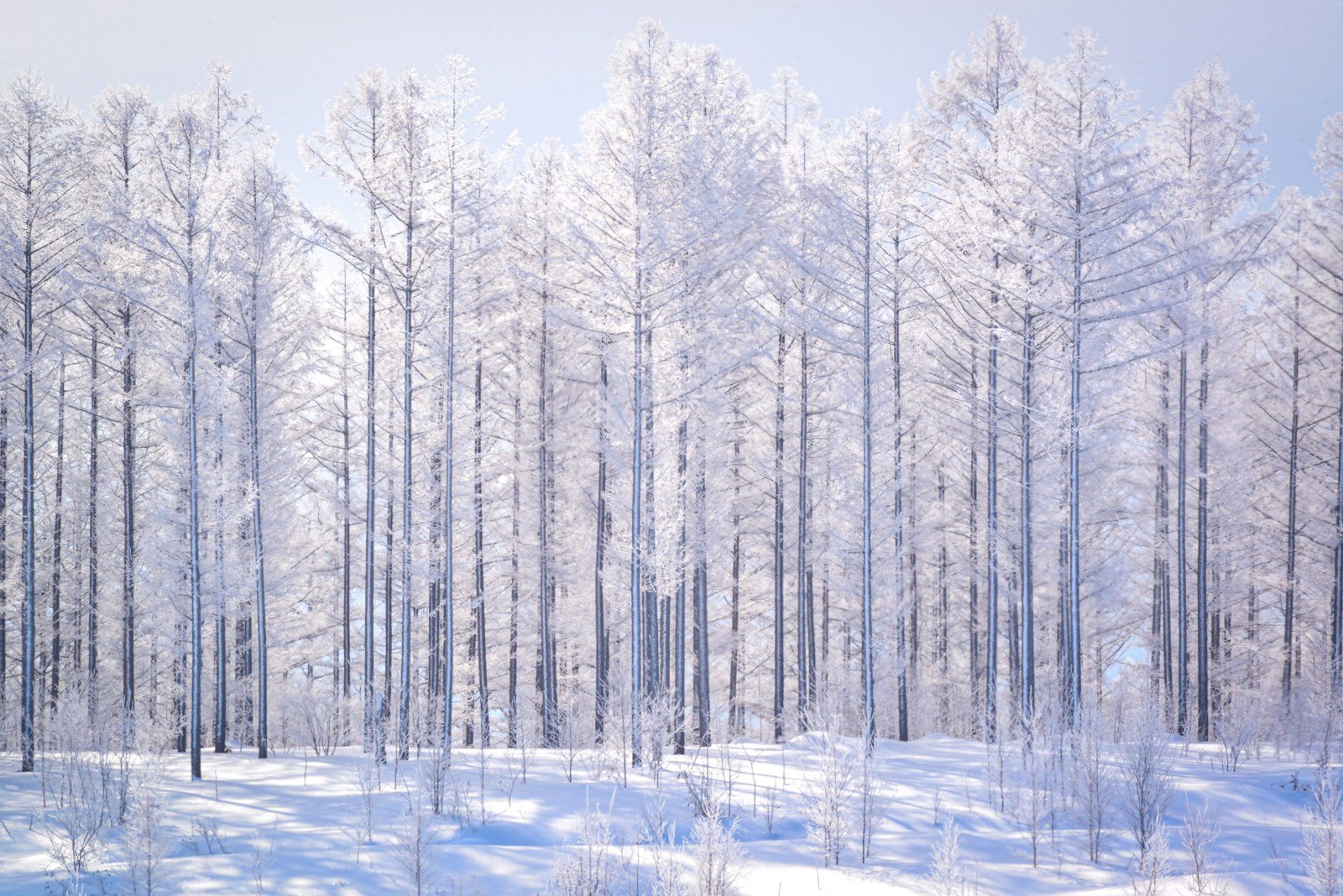
The kogarashi meaning reaches beyond simple meteorology into the heart of Japanese aesthetic consciousness. Kogarashi (木枯らし) is the Japanese word for the first cold wind of winter — a northerly gust, typically arriving in October or November, that strips the last warmth from the air and officially announces that winter has begun. It is simultaneously a weather event, a haiku season-word, and a culturally loaded emotional state with no precise English equivalent.
/ko.ɡa.ɾa.ɕi/
Literal translation: “tree-withering wind” (木 ko = tree/wood + 枯らし karashi = to wither, to dry)
Etymology
Kogarashi (木枯らし) is a compound born from two of the most elemental words in the Japanese language. The first character, 木 (ko/ki), means tree or wood — the material from which Japan has built its homes, temples, and culture for millennia. The second element, 枯らし (karashi), derives from the verb 枯れる (kareru), meaning to wither, to dry, or to die away, as a plant does in winter. Joined together, the characters describe literally “that which withers trees” — the force that strips autumn of its remaining warmth.
The word has deep roots in classical Japanese literature and the haiku tradition. In the highly structured world of haiku, kogarashi functions as a kigo — a “season word” — that signals late autumn or early winter. Master poets including Matsuo Bashō used it to evoke not just a meteorological phenomenon but an emotional state: the bittersweetness of warmth vanishing, of exposed branches standing against a grey sky. Bashō’s verse using kogarashi sets a scene of cold desolation where the sound of wind through bare trees becomes indistinguishable from loneliness itself.
What separates kogarashi from a simple “cold wind” is its temporal and cultural precision. In Japan, the Japan Meteorological Agency officially announces 木枯らし1号 (Kogarashi Ichigō, or “Kogarashi Number One”) each year — the meteorologically verified first winter wind of the season, typically in October or November. This announcement marks a cultural moment: Japan has officially entered the cold months. Kogarashi is the wind, but it is also an event.
Cultural Context
Japan’s relationship with seasonal transition is unlike almost any other culture’s. The concept of 季節感 (kisetsukan, or sensitivity to seasons) is woven into Japanese aesthetics, cuisine, poetry, clothing, and emotional life. Kogarashi occupies a particular place in this seasonal consciousness: it is the moment of surrender. Summer’s warmth held on through autumn, leaves blazed brilliant red and gold — and then kogarashi arrives to end the negotiation. The trees let go. The warmth releases. Winter begins. Understanding the kogarashi meaning helps unlock this entire dimension of Japanese seasonal consciousness.
This moment of release carries a complex emotional charge in Japan. It connects deeply to the Buddhist-inflected aesthetic of mono no aware — the gentle sadness and appreciation that arises from impermanence. Kogarashi is not a tragedy; it is a transition, and like all transitions in Japanese aesthetics, it carries beauty precisely because it is finite. The sound of wind through bare branches is, in the Japanese aesthetic tradition, a form of music. Cold is not the enemy of beauty — it is part of it.
In the modern Japanese city, kogarashi’s arrival is marked with a particular ritual of consciousness. People pull out their coats. Convenience stores switch their hot drink selections to winter varieties. The smell of the air changes. There is, in many Japanese hearts, a welcoming of the discomfort — a recognition that this bracing cold is part of the cycle. The word captures all of this: not just the wind, but the awareness of standing in it, the sensation of cold air stripping the last warmth away, and the strange peace that follows.
In classical Japanese poetry, kogarashi frequently appears alongside images of solitary travelers, empty roads, and the feeling of being far from home. The wind becomes a companion to loneliness — not oppressive, but honest. It does not pretend that warmth is coming back soon. Kogarashi strips away illusion along with the leaves, leaving only what is essential and true.
How It’s Used Today
Today, kogarashi appears in weather forecasts, poetry, song titles, and everyday speech across Japan. When the Japan Meteorological Agency announces 木枯らし1号, it makes national news. The word also functions as a metaphor — a relationship that ends suddenly can be described as kogarashi, sweeping everything clean and leaving the landscape bare.
木枯らしが吹いて、街はすっかり冬の装いになった。
“Kogarashi ga fuite, machi wa sukkari fuyu no yosooi ni natta.” — The kogarashi blew, and the city was dressed entirely in winter.
Why English Has No Equivalent
English has “cold wind,” “wintry wind,” “north wind,” and “gale” — but none captures what kogarashi holds. A cold wind is a description. Kogarashi is a cultural event, a poetic mood, a seasonal marker, and a meteorological phenomenon simultaneously. It carries the weight of a thousand classical haiku, the specific joy and grief of Japan’s seasonal consciousness, and the precise knowledge that this is the first cold wind — that everything before it was still, technically, autumn. English can describe the phenomenon, but it cannot hold the feeling.
Related Words
If kogarashi resonates with you, you may also feel drawn to Mono no Aware, the Japanese appreciation of impermanence and transient beauty; Wabi-Sabi, the beauty found in imperfection and the natural cycle of decay; Natsukashii, the warm ache of nostalgic longing for a time gone by; Yugen, the mysterious beauty beneath the surface of the world; and Ma, the Japanese concept of meaningful negative space and pause.
Further Reading
- Japan Meteorological Agency — the official body that announces Kogarashi Number One each autumn
- The Haiku Foundation — seasonal reference words (kigo) in haiku tradition, including kogarashi