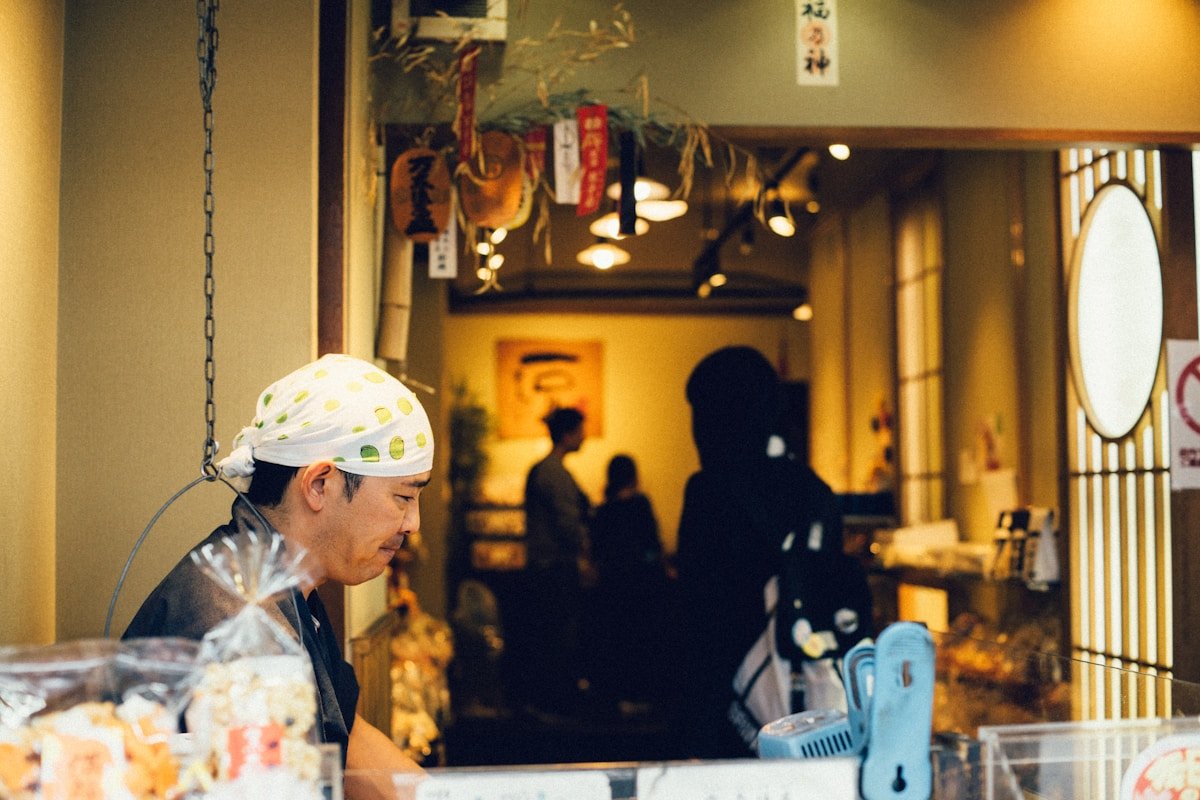
Amae

Amae meaning — Japanese word for the felt sense of being able to depend on another persons affection

Japanese Amae meaning: the Japanese word for the felt sense of being able to depend on another person’s affection — the trust that they will accept and indulge you. Below: the etymology of Amae, the cultural roots in Japanese psychology, modern usage in attachment theory, and why English has no equivalent. /aˈma.e/ — ah-MAH-eh (甘え) … Read more

Mottainai Meaning: The Japanese Ethic of Honoring Things

Language: Japanese  |  Native script: もったいない  |  Pronunciation (IPA): /moʔ.tai.nai/ Literal translation: “mottai” (intrinsic dignity, sacred essence) + “nai” (without, lacking) — together: “the dignity of this thing is being denied.” Etymology Mottainai is built from two morphemes that carry far more weight than their English translations suggest. Mottai (勿体) entered Japanese from medieval Buddhist … Read more

Shinrin-yoku Meaning: The Art of Forest Bathing

/ʃɪnrɪn.joːkɯ/ “forest bathing” (shinrin = forest; yoku = bathing) Definition Shinrin-yoku is the therapeutic practice of immersing oneself in a forest atmosphere through all the senses, not to exercise or accomplish anything, but simply to absorb the forest’s essence and allow it to heal the body and mind. It is not hiking, not tourism, not … Read more

Koi no Yokan Meaning: The Premonition of Inevitable Love

/koɪ no joːkan/ “premonition of love” (koi = romantic love; yokan = premonition/presentiment) Definition Koi no yokan is the inexplicable premonition, striking the moment you first encounter another person, that you are destined to fall in love with them. It is not attraction itself but the certain knowledge that attraction will develop, a glimpse of … Read more

Furusato Meaning: The Spiritual Homeland of Memory and Belonging

/fɯɾɯsɑːto/ “old village” or “ancient home” (furu = old; sato = village/home) Definition Furusato is not simply the town or village where you were born; it is a concept encompassing the spiritual and emotional homeland that defines your identity and roots, a place that may exist as much in memory and feeling as in actual … Read more

Kaizen Meaning: Continuous Improvement Through Small Changes

/kaɪˈzeɪn/ “change for the better” or “improvement” (kai = change; zen = good) Definition Kaizen is the philosophy and practice of continuous improvement through small, incremental changes made consistently over time, based on the belief that gradual refinement accumulates into profound transformation. Rather than revolutionary overhauls or dramatic interventions, kaizen emphasizes steady, daily adjustments that … Read more

Shoganai Meaning: The Art of Acceptance When You Can’t Help It

/ʃoːɡənaɪ/ “it cannot be helped” or “there’s no way around it” (sho = method/way; ganai = cannot be) Definition Shoganai expresses the philosophical acceptance that some circumstances lie entirely beyond human control or intervention, and that struggling against such things only multiplies suffering. Rather than resignation’s defeatism, shoganai offers something more profound—a liberating realization that … Read more

Otsukaresama Meaning: Honoring Exhaustion and Effort

/otsɯkaɾe.saːma/ “you must be tired” or “that tired appearance” (otsukaresama = honorable tiredness) Definition Otsukaresama is a phrase expressing deep appreciation and respect for someone’s hard work, effort, and the fatigue that accompanies it. It acknowledges not just the completion of a task but the toll that effort takes on a person, offering recognition and … Read more

Hanami Meaning: The Sacred Ritual of Cherry Blossom Viewing

/həˈnɑːmi/ “flower viewing” (hana = flower; mi = to see/view) Definition Hanami is the centuries-old Japanese tradition of gathering under blooming cherry trees to appreciate their ephemeral beauty, a practice that has become the cultural embodiment of spring itself in Japan. It is far more than casual flower-watching; it is a ritualized encounter with beauty … Read more

Boketto Meaning: 5 Meditative Depths of Japanese Vacant Gazing

Boketto Meaning & Definition The boketto meaning captures a distinctly Japanese appreciation for empty, purposeless gazing. Boketto (Japanese: ボケっと, [bo̞ke̞tːo̞]) describes the act of staring vacantly into the distance without thinking about anything in particular. It is not zoning out from exhaustion or boredom — it is the intentional or semi-intentional surrender to mental emptiness, … Read more

Explore Our Sister Sites

CalcCenter — Free Calculators  ·  PhotoFormatLab — Image Converter  ·  FixMyHOA — HOA Violation Help  ·  BloxGuidesGG — Roblox Guides  ·  Grow a Garden Guides — Garden Strategy