Nagomi Meaning

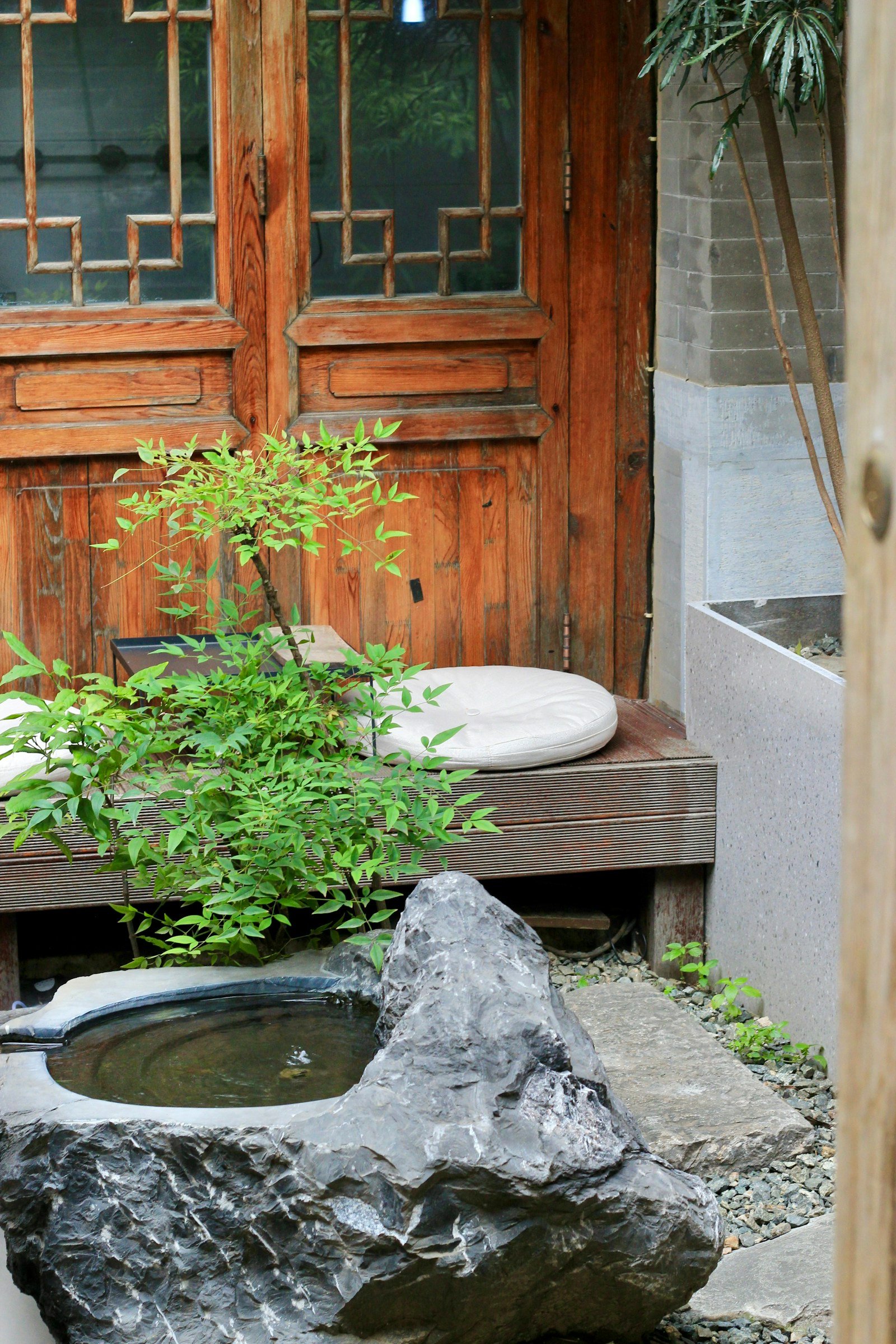
nagomi meaning — a traditional Japanese stone water basin with green plants, evoking quiet harmony

Japanese | 和み (Nagomi) Pronounced: /na.ɡo.mi/ Literal translation: From the verb nagomu (和む) — “to soften,” “to mellow,” or “to settle into calm.” Nagomi names the pleasant state that results from this softening. Etymology Nagomi flows from the verb nagomu (和む), which belongs to one of the most semantically rich families in the Japanese language. … Read more

Omotenashi: Japan’s Art of Selfless Hospitality

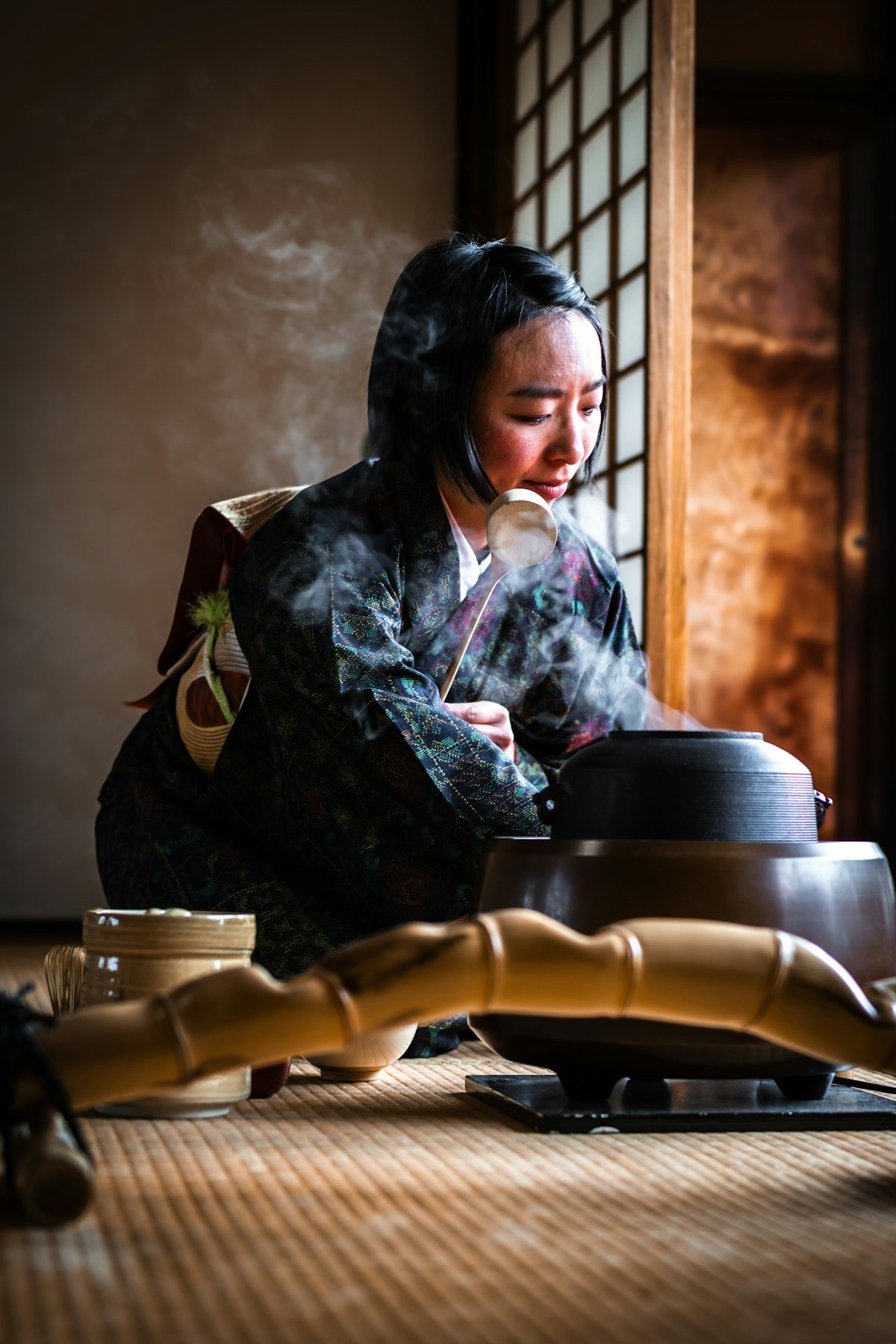
omotenashi meaning — Japanese tea ceremony demonstrating selfless hospitality

Omotenashi meaning (おもてなし) — Japan’s philosophy of selfless, wholehearted hospitality, in which the host gives completely with no expectation of return. Japanese  |  おもてなし IPA: /o.mo.te.na.ɕi/ Literal translation: “Without a surface” — to serve wholeheartedly, with no hidden face or ulterior motive Etymology Omotenashi (おもてなし) derives from the classical Japanese verb motenasu (もてなす), meaning to … Read more

Honne

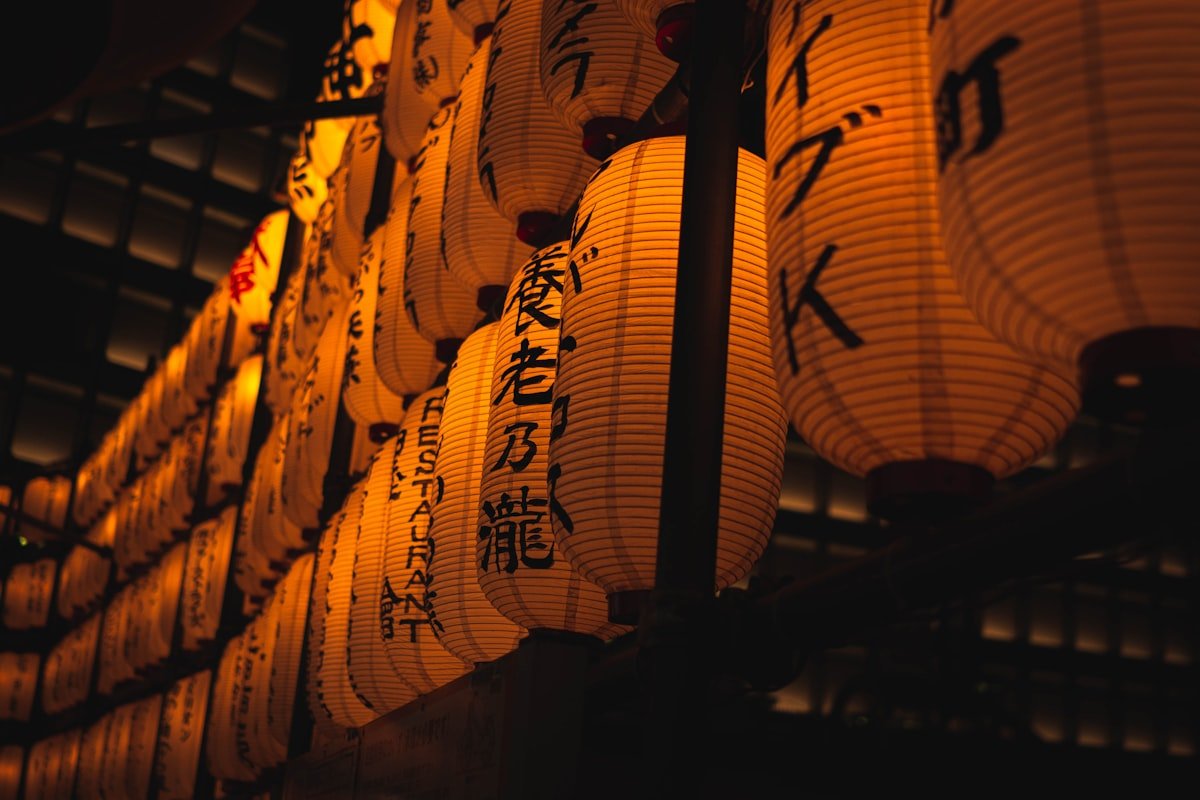
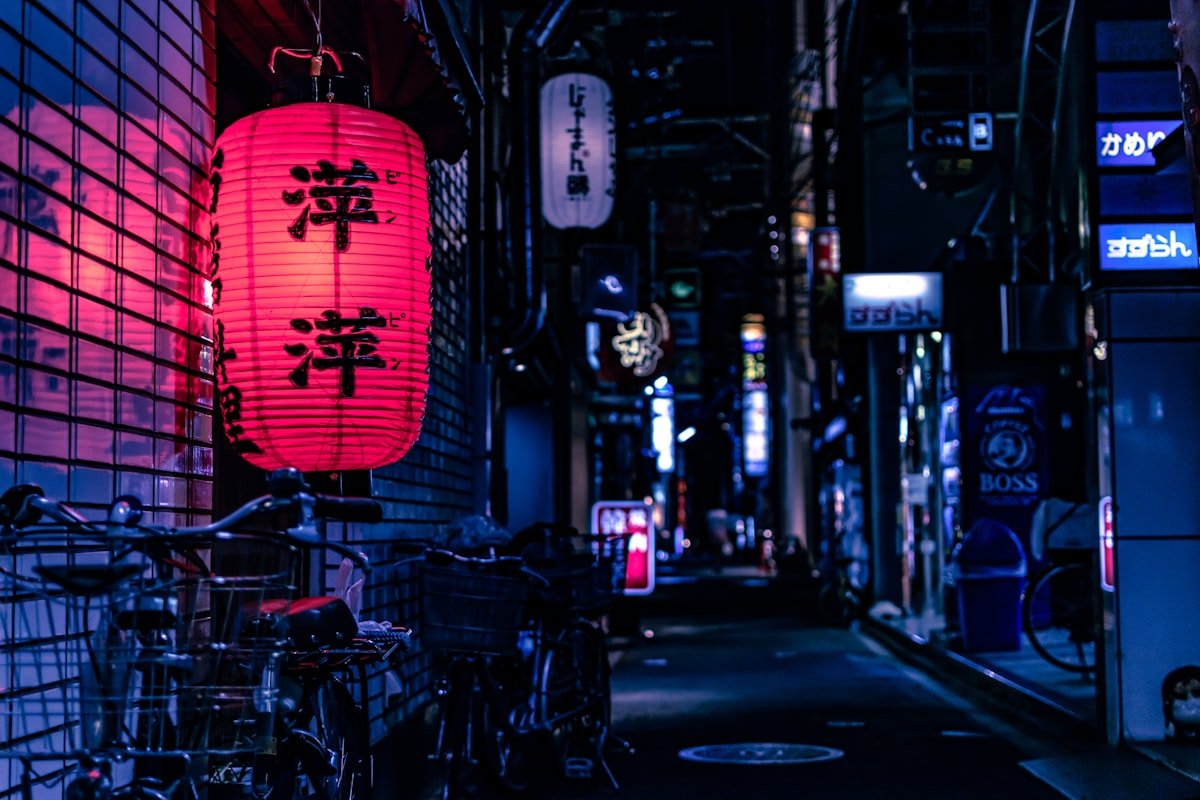
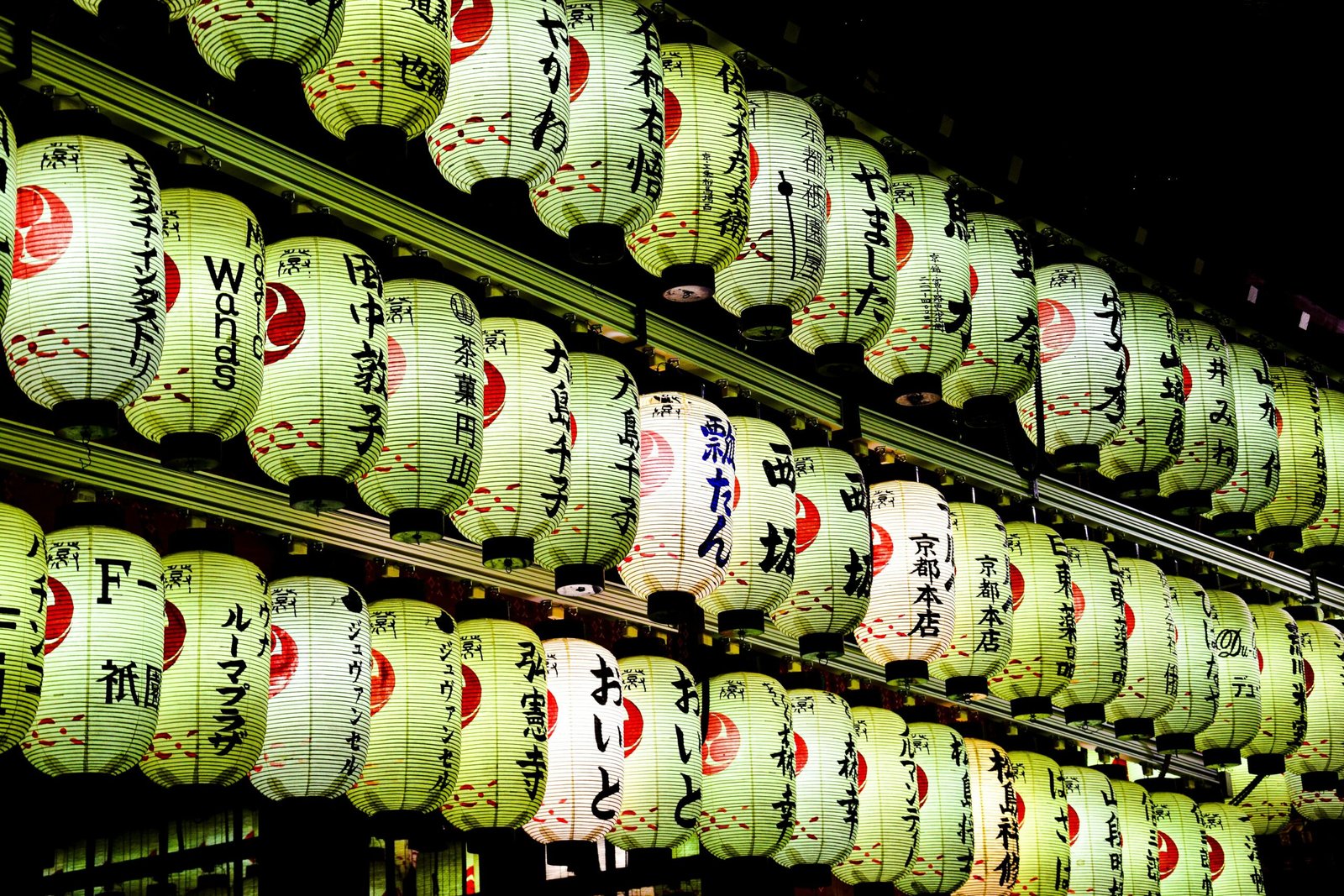
honne meaning — glowing red Japanese lanterns with kanji script hanging in a night shrine

The honne meaning sits at the heart of one of Japanese culture’s most sophisticated social concepts: the gap between what a person truly feels and what they choose to express. Japanese | 本音 Pronounced: /ˈhɔn.ne/ Literal translation: “true sound” or “real voice” — 本 (hon) means “true” or “real,” and 音 (ne) means “sound” or … Read more

Tatemae Meaning: Japan’s Art of the Public Self

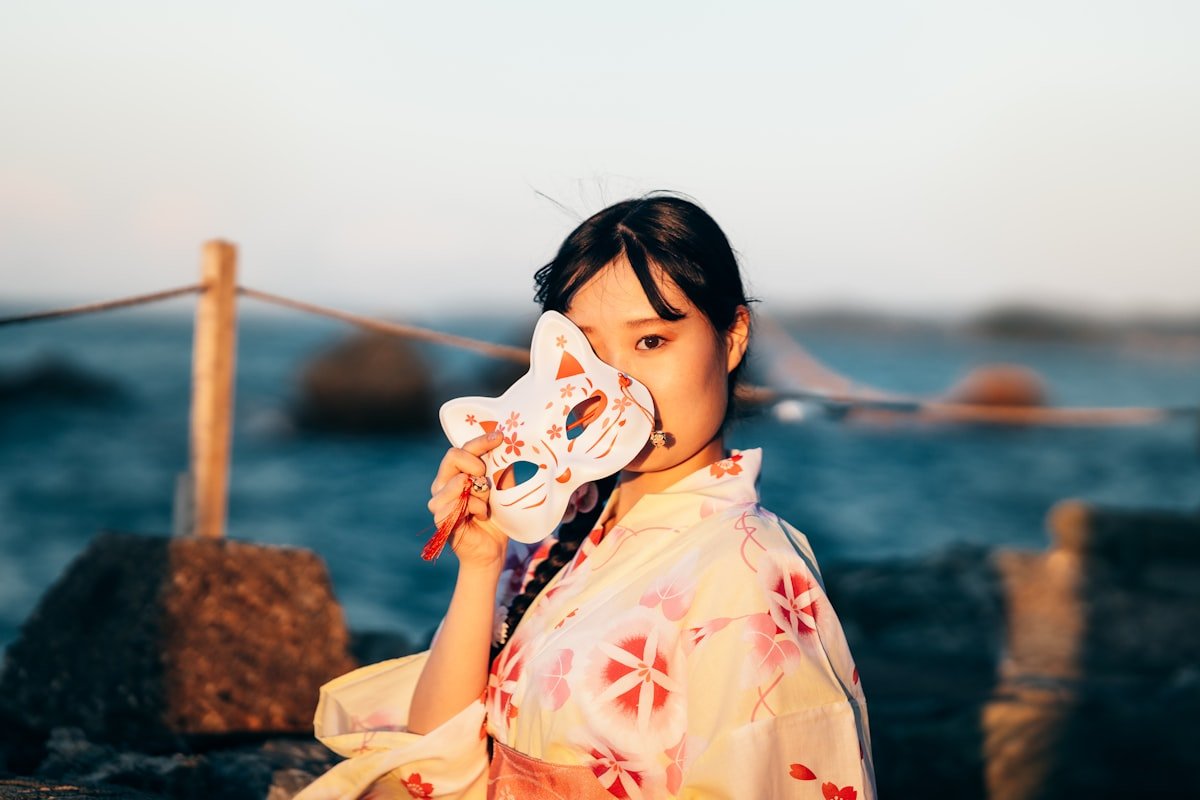
A woman in a kimono holding a traditional Japanese mask, symbolizing tatemae

The tatemae meaning unlocks one of the most consequential concepts in Japanese social life — a word that explains everything from quiet business misunderstandings to the profound gap between public and private selves. Tatemae (建前) is the public face you present to the world: the socially expected behavior, the diplomatic response, the considered performance of … Read more

Kogarashi Meaning: Japan’s First Cold Wind of Winter

kogarashi meaning — frost-covered bare trees in a Japanese winter forest, the first cold wind stripping trees bare

The kogarashi meaning reaches beyond simple meteorology into the heart of Japanese aesthetic consciousness. Kogarashi (木枯らし) is the Japanese word for the first cold wind of winter — a northerly gust, typically arriving in October or November, that strips the last warmth from the air and officially announces that winter has begun. It is simultaneously … Read more

Kodawari

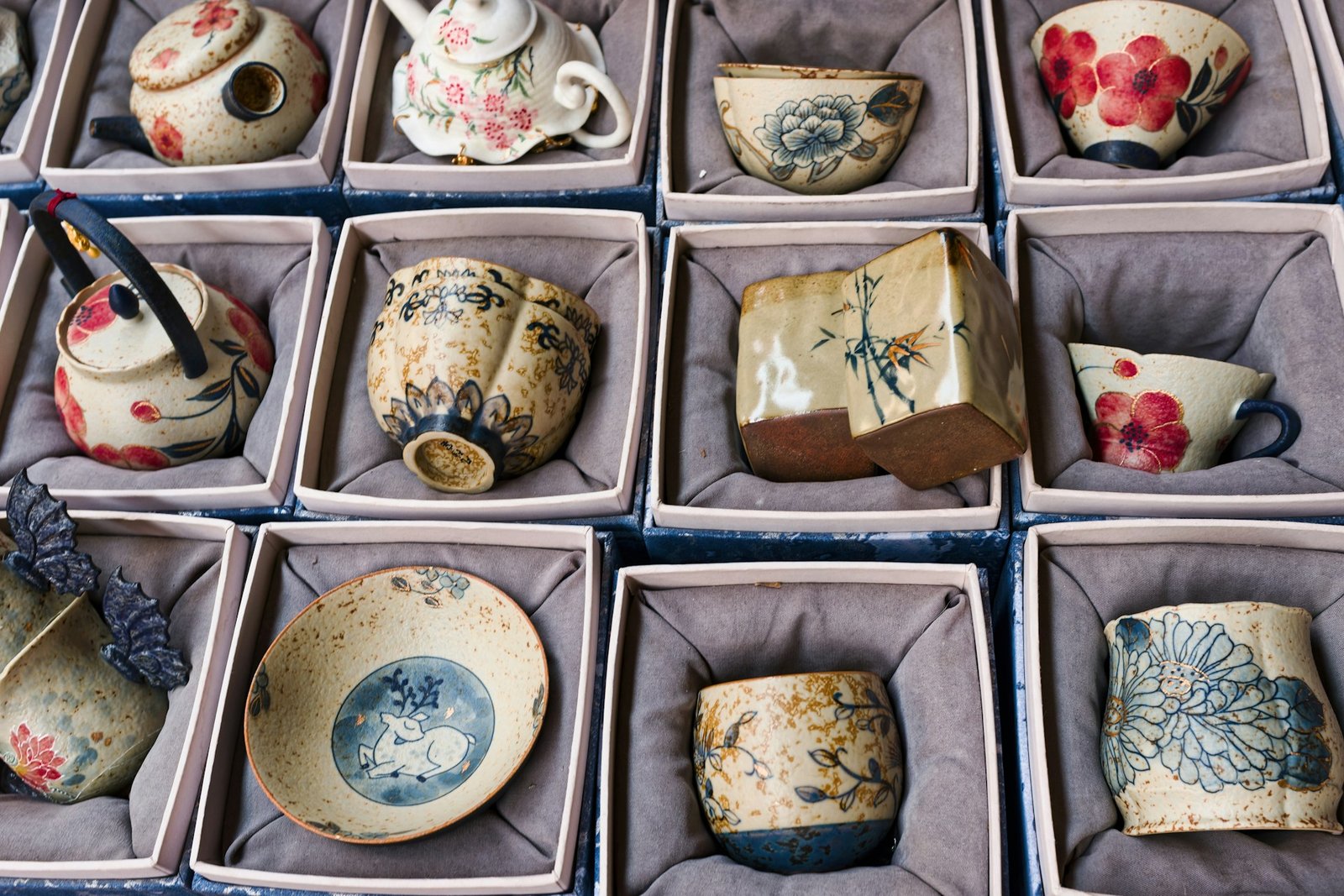
kodawari meaning — delicate ceramic tea cups and pots arranged with meticulous precision, evoking Japanese craft dedication

What Does Kodawari Meaning Reveal About Japanese Craft Culture? The kodawari meaning goes to the heart of Japan’s most admired cultural trait: the refusal to compromise. Understanding kodawari meaning helps explain why Japanese ramen chefs spend decades perfecting a single broth, why a knife-maker rejects a blade only they can tell is flawed, and why … Read more

Ma (間)

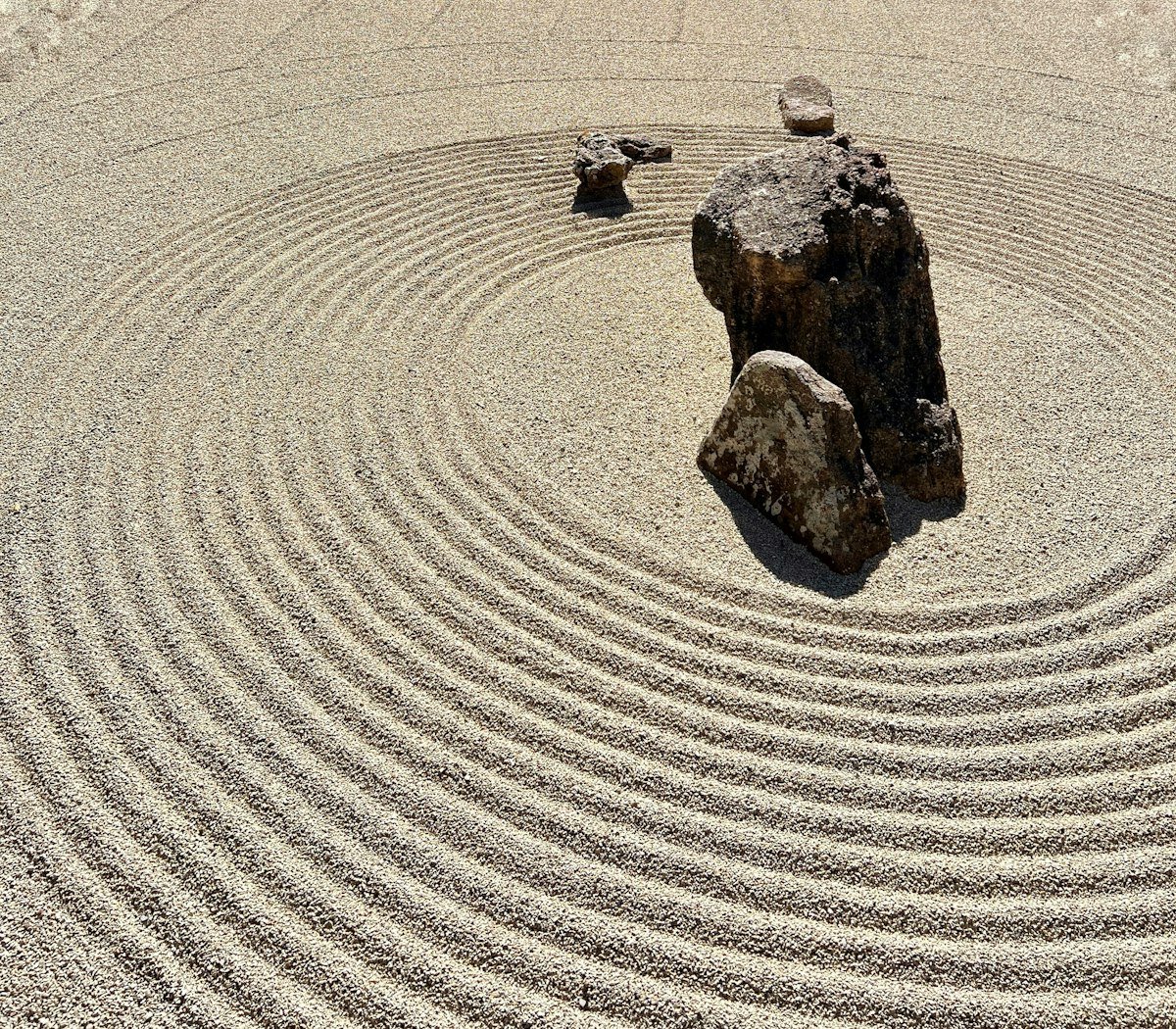
ma meaning — Japanese zen garden with rock in sand circle representing negative space

Ma meaning (間) — the Japanese concept of the meaningful pause, the intentional emptiness that gives form and resonance to everything around it. Language: Japanese  |  Script: 間  |  IPA Pronunciation: /maː/ Literal translation: “gap,” “pause,” “space between” — the meaningful interval that gives form to silence and emptiness. Etymology of Ma (間) and Its … Read more

Omoiyari

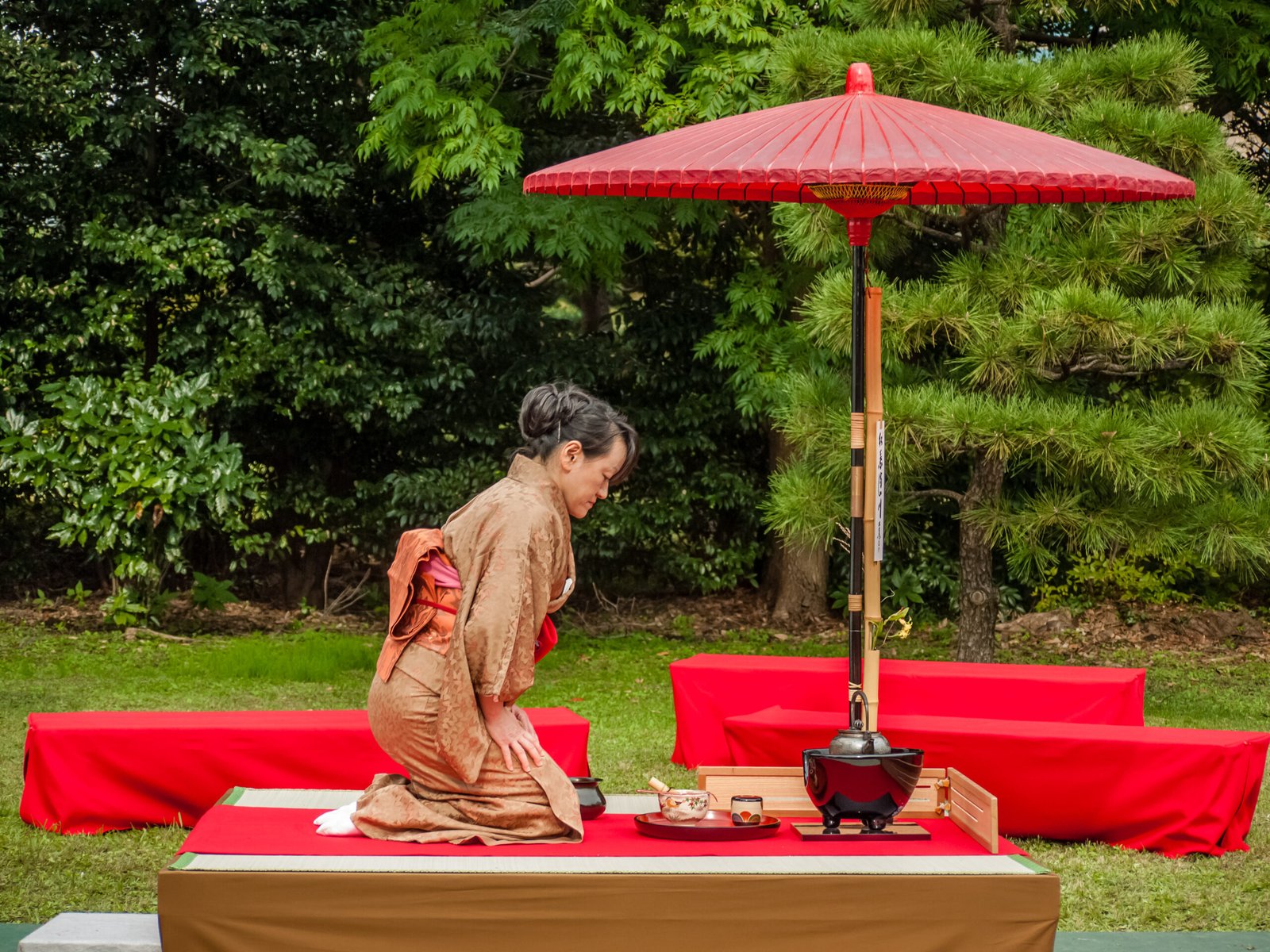
omoiyari meaning — a serene Japanese tea ceremony scene representing mindful consideration for others

The omoiyari meaning in Japanese is the practice of anticipating what another person needs and quietly acting on it — before they have to ask. It is proactive empathy made into a way of life, and one of the most admired qualities in Japanese culture. /o.mo.i.ja.ɾi/ 思いやり — Literally: “to project one’s thoughts toward another” … Read more

Shokunin

shokunin meaning — craftsman chef preparing food at a restaurant counter in Kyoto Japan

/ˌʃoʊ.kʊˈniːn/ From Japanese: 職人 (shoku = work/occupation, nin = person) The shokunin meaning goes far beyond the English word “craftsperson.” A shokunin is not merely someone who makes things — a shokunin is someone who has devoted their entire life to the continuous perfection of a single craft, finding purpose, dignity, and spiritual fulfillment in … Read more

Shibui

Shibui meaning — a quiet Japanese tea ceremony scene of muted matcha and bamboo, the restrained beauty of shibui in a single frame

Shibui meaning is the Japanese aesthetic of subtle, restrained beauty — the kind that grows more beautiful with age and use. Language: Japanese (渋い)Pronunciation (IPA): /ɕibuɨi/Literal translation: “astringent” — from the puckering quality of an unripe persimmon, the word came to name a beauty that holds something back. Etymology The word shibui begins on the … Read more

Explore Our Sister Sites

CalcCenter — Free Calculators  ·  PhotoFormatLab — Image Converter  ·  FixMyHOA — HOA Violation Help  ·  BloxGuidesGG — Roblox Guides  ·  Grow a Garden Guides — Garden Strategy