German | Vorfreude
Pronounced: /ˈfɔʁˌfʁɔʏ̯də/
Literal translation: “vor” (before) + “Freude” (joy) = pre-joy, or the joy that comes before joy arrives.
Etymology
Vorfreude is built from two roots deeply embedded in the Germanic linguistic tradition. The prefix vor descends from Old High German fora, meaning “before” or “in front of,” and appears throughout German in words like Vorbereitung (preparation) and Vorahnung (premonition). The root Freude traces back to Proto-Germanic *frawida, related to the Gothic frawjan and Old English frēo, carrying the sense of gladness, exultation, and willing delight. Unlike many compound emotions, the combination of these two morphemes creates something philosophically distinct from either component: not just joy, and not just before — but the particular joy caused by the fact that something joyful is coming.
The word entered literary German during the Romantic period, when German philosophers and poets became preoccupied with mapping the precise contours of interior emotional life. Schiller’s “Ode to Joy” (1785) — set to Beethoven’s Ninth Symphony — celebrated Freude itself, but the broader Romantic project was to dissect joy into its component states, of which Vorfreude was among the most philosophically interesting: a real, present emotion whose entire substance consists of something that hasn’t happened yet.
Linguistically, Vorfreude belongs to a family of German compound nouns that name anticipatory states — Vorfreude (anticipatory joy), Vorahnung (premonition), Vorgefühl (foreboding or presentiment). This capacity for anticipatory emotion-naming reflects a distinctly German philosophical tradition that treats not just current states but the structure of experience across time as worthy of precise vocabulary.
Cultural Context
To understand why German culture developed a specific word for anticipatory joy, it helps to understand the German relationship with Vorsorge — advance preparation, planning, and foresight. Germany is a culture that values thoroughness and the careful ordering of future experience. The ritual planning of a trip, the slow selection of a gift, the weeks-long preparation for a celebration: in German culture, these acts of preparation are understood not as tedious prerequisites to the enjoyment, but as a distinct form of pleasure in themselves. Vorfreude is the emotion that makes preparation meaningful.
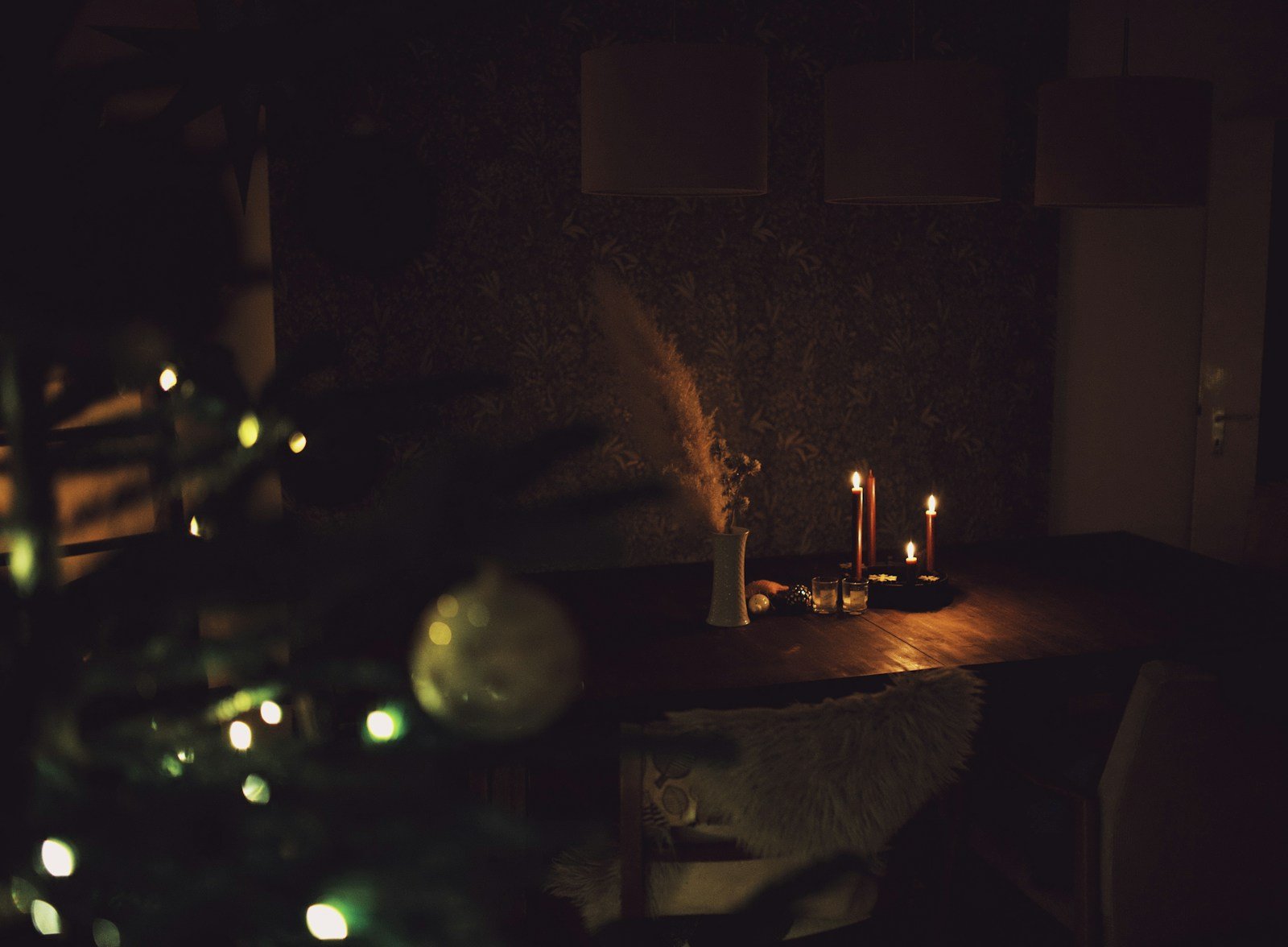
The most vivid cultural expression of Vorfreude is the German Advent season. The four weeks before Christmas are not merely a countdown — they are understood as their own emotional season, distinct from Christmas itself. The Advent calendar, the Weihnachtsmarkt (Christmas market) visits, the progressive lighting of candles: each is a ritual of Vorfreude, a deliberate cultivation of anticipatory joy. The German cultural wisdom embedded here is that Vorfreude, properly tended, can be as emotionally rich as the event itself — and sometimes richer, because it is free from the inevitable slight disappointments that reality brings to imagination.
There is also a philosophical dimension to Vorfreude that German thinkers have explored. The emotion raises questions about the nature of happiness: if we can experience real joy from something that hasn’t happened — and may not happen exactly as imagined — what does this tell us about where happiness actually lives? The philosopher Immanuel Kant, writing in the same era when the word crystallized, argued that the anticipation of pleasure was itself a form of pleasure. Modern neuroscience has confirmed this intuition: the brain’s dopamine system fires in anticipation of rewards, not just upon receiving them. German culture named this phenomenon centuries before the neuroscience caught up.
How It’s Used Today
In contemporary German, Vorfreude is used naturally in everyday speech to describe the warmth of looking forward to anything meaningful — a reunion, a holiday, a concert, a meal at a beloved restaurant. It appears in common phrases like Vorfreude ist die schönste Freude (“Vorfreude is the most beautiful joy”) — a well-known German saying that suggests anticipatory joy may be the purest form of happiness because it is untouched by reality’s compromises.
Die Vorfreude auf das Wiedersehen mit meiner Familie ist kaum auszuhalten.
— “The Vorfreude of being reunited with my family is almost unbearable.”
Why English Has No Equivalent
English speakers reach for “looking forward to,” “anticipation,” or “excitement” — but none of these land in quite the same place. “Looking forward to” is directional but emotionally neutral; it tells you where your attention is pointed, not what you feel. “Anticipation” covers anxious waiting as readily as joyful waiting — the anticipation before a difficult conversation and the anticipation before a wedding are the same word in English, very different realities in life. “Excitement” emphasizes physiological arousal, not the warm, savoring quality that Vorfreude names. Vorfreude is specifically joyful, specifically pre-event, and specifically about the pleasure of the waiting itself — a precision English simply doesn’t have.
Related Words
If Vorfreude resonates with you, you may also love Resfeber, the Swedish word for the restless, almost anxious excitement that grips a traveler before a journey begins. The German concept of Sehnsucht — a deep longing for something transcendent and barely nameable — is Vorfreude’s melancholy sibling, the yearning for joy rather than the joy of yearning. And Hygge, the Danish art of cozy togetherness, often represents the very thing one feels Vorfreude about: the warm gathering that makes the waiting worthwhile.
Further Reading
- Joy — Online Etymology Dictionary — traces the Proto-Germanic and Old French roots of joy and its cognates across European languages
- Pleasure — Stanford Encyclopedia of Philosophy — explores philosophical accounts of anticipatory pleasure, including Kant’s analysis of expectation as a form of enjoyment